
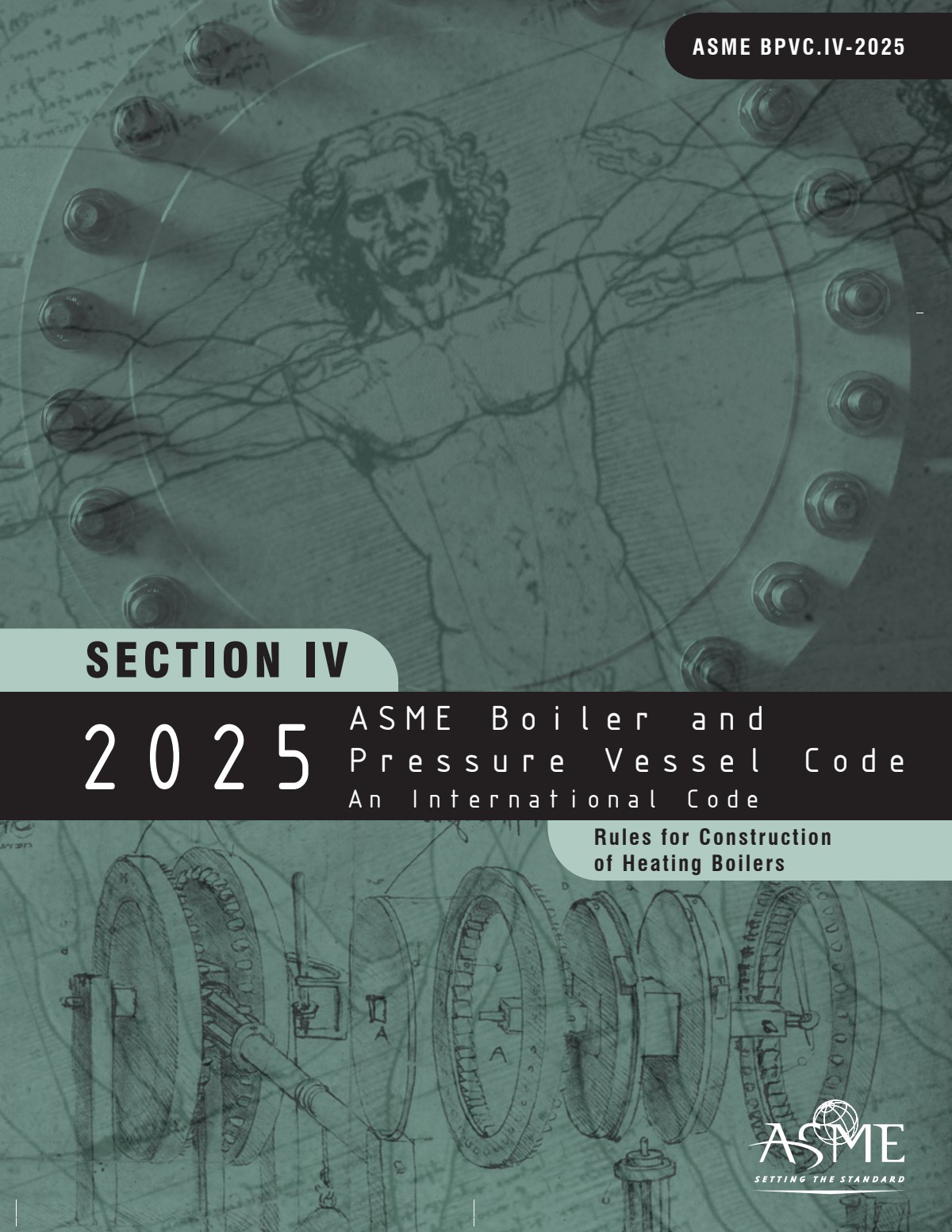
ASME BPVC Section IV: Rules for Construction of Heating Boilers (2025 Edition)
Original price was: $690.00.$230.00Current price is: $230.00.
ASME BPVC Section IV: Rules for Construction of Heating Boilers (2025 Edition) specifies design, fabrication, installation, and inspection requirements for steam heating, hot water heating, and water supply boilers operating at low pressure.
This edition reflects the latest industry standards for safety valve testing, quality control, certification markings (H, HV, HLW), and new material approvals. It supports use across various fuel types including oil, gas, electricity, coal, and more.
A critical resource for engineers, manufacturers, and inspectors, this ANSI/ASME standard ensures safe, code-compliant heating boiler construction and inspection practices.
ASME BPVC Section IV: Rules for Construction of Heating Boilers (2025 Edition) specifies design, fabrication, installation, and inspection requirements for steam heating, hot water heating, and water supply boilers operating at low pressure.
This edition reflects the latest industry standards for safety valve testing, quality control, certification markings (H, HV, HLW), and new material approvals. It supports use across various fuel types including oil, gas, electricity, coal, and more.
A critical resource for engineers, manufacturers, and inspectors, this ANSI/ASME standard ensures safe, code-compliant heating boiler construction and inspection practices.
Book information
Purchase now to read the book instantly.
Add to cartRelated products
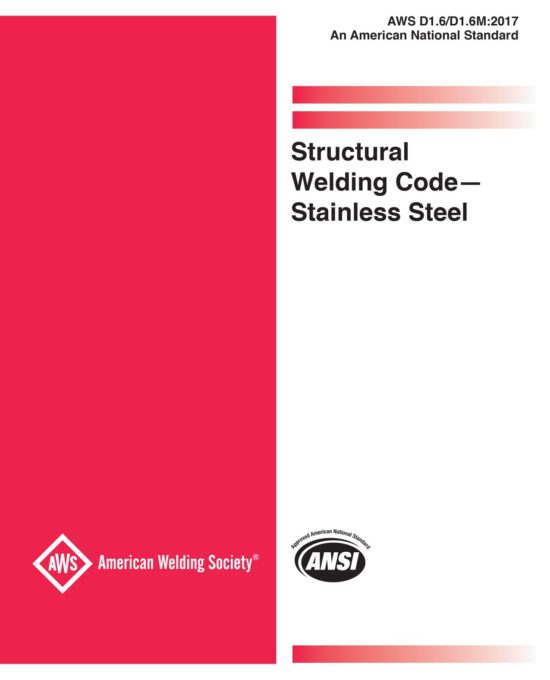
AWS D1.6/D1.6M:2017 – Structural Welding Code – Stainless Steel
AWS D1.6/D1.6M:2017 – Structural Welding Code – Stainless Steel defines the welding requirements for austenitic and ferritic stainless steel structural components. Applicable to both shop and field fabrication, it governs the construction of non-pressure stainless steel structures and aligns closely with AWS D1.1 formatting for consistency.
Highlights:
- Design provisions for welded joints and structural connection details
- Specifications for base metals, filler materials, and qualified welding processes
- Prequalification criteria for procedures and joint configurations
- Qualification standards for welding procedures, welders, and operators
- Visual and nondestructive inspection methods
- Stud welding practices and performance qualification requirements
- Fabrication standards for cleaning, joint prep, and weld profile control
- Weld acceptance criteria and repair guidelines
- Normative and informative annexes on weld sizing, filler metal selection, sample forms, and macroetchants
- Commentary section offering interpretation and application guidance
Who It’s For:
Essential for fabricators, engineers, inspectors, and contractors involved in stainless steel construction for structural applications such as architectural systems, industrial frameworks, and corrosion-resistant environments.
AWS D1.6/D1.6M:2017
AWS D1.6/D1.6M:2017 – Structural Welding Code – Stainless Steel
AWS D1.6/D1.6M:2017 – Structural Welding Code – Stainless Steel defines the welding requirements for austenitic and ferritic stainless steel structural components. Applicable to both shop and field fabrication, it governs the construction of non-pressure stainless steel structures and aligns closely with AWS D1.1 formatting for consistency.
Highlights:
- Design provisions for welded joints and structural connection details
- Specifications for base metals, filler materials, and qualified welding processes
- Prequalification criteria for procedures and joint configurations
- Qualification standards for welding procedures, welders, and operators
- Visual and nondestructive inspection methods
- Stud welding practices and performance qualification requirements
- Fabrication standards for cleaning, joint prep, and weld profile control
- Weld acceptance criteria and repair guidelines
- Normative and informative annexes on weld sizing, filler metal selection, sample forms, and macroetchants
- Commentary section offering interpretation and application guidance
Who It’s For:
Essential for fabricators, engineers, inspectors, and contractors involved in stainless steel construction for structural applications such as architectural systems, industrial frameworks, and corrosion-resistant environments.
AWS D1.6/D1.6M:2017
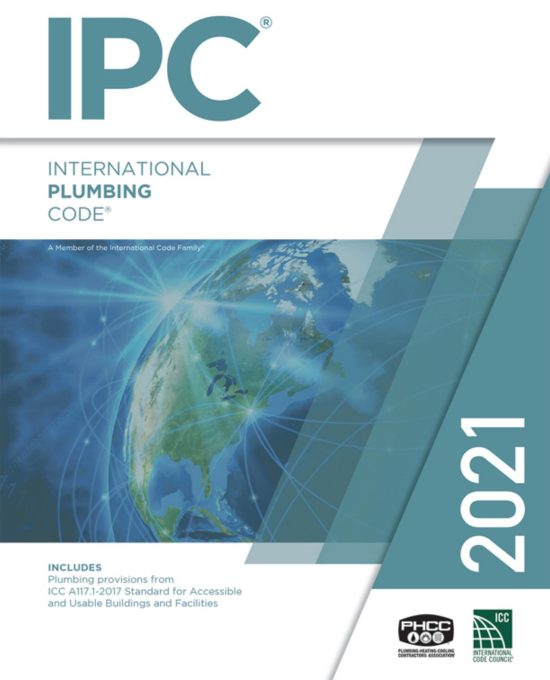
2021 International Plumbing Code – IPC-2021
The 2021 International Plumbing Code® (IPC) establishes minimum standards for the design, installation, and inspection of plumbing systems in all building types—except one- and two-family dwellings and townhouses up to three stories, which are covered under the IRC. This code supports both prescriptive and performance-based approaches and promotes innovation in materials and design.
Highlights:
- Permits multiple-user all-gender toilet facilities
- Adds two approved methods for sewer relining and rehabilitation
- Allows rooftop solar panels to be installed over vent terminals
- Recognizes CSA B805/ICC 805 for rainwater harvesting system design
- Integrates accessibility provisions from ICC A117.1-2017
- Covers potable and nonpotable water, sanitary and storm drainage, venting, water heaters, and graywater systems
- Structured into prescriptive chapters with appendices and accessibility references
- Fully aligned with the 2021 I-Codes for unified plumbing regulation and enforcement
Who It’s For:
Plumbing engineers, contractors, inspectors, and code officials working on compliant, modern plumbing systems in commercial and multifamily buildings.
IPC-2021
2021 International Plumbing Code – IPC-2021
The 2021 International Plumbing Code® (IPC) establishes minimum standards for the design, installation, and inspection of plumbing systems in all building types—except one- and two-family dwellings and townhouses up to three stories, which are covered under the IRC. This code supports both prescriptive and performance-based approaches and promotes innovation in materials and design.
Highlights:
- Permits multiple-user all-gender toilet facilities
- Adds two approved methods for sewer relining and rehabilitation
- Allows rooftop solar panels to be installed over vent terminals
- Recognizes CSA B805/ICC 805 for rainwater harvesting system design
- Integrates accessibility provisions from ICC A117.1-2017
- Covers potable and nonpotable water, sanitary and storm drainage, venting, water heaters, and graywater systems
- Structured into prescriptive chapters with appendices and accessibility references
- Fully aligned with the 2021 I-Codes for unified plumbing regulation and enforcement
Who It’s For:
Plumbing engineers, contractors, inspectors, and code officials working on compliant, modern plumbing systems in commercial and multifamily buildings.
IPC-2021
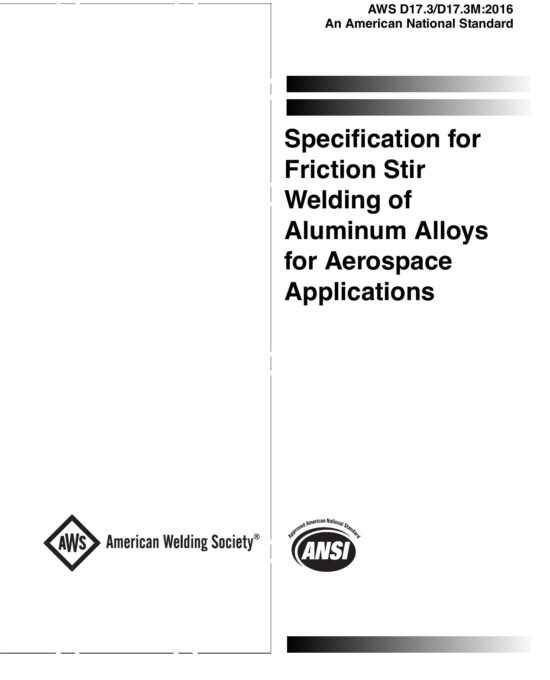
AWS D17.3/D17.3M:2016 – Specification for Friction Stir Welding of Aluminum Alloys for Aerospace Applications
AWS D17.3/D17.3M:2016 establishes general requirements for the friction stir welding (FSW) of aluminum alloys in aerospace applications. It provides standardized procedures for the design, fabrication, qualification, and inspection of aerospace components joined using the FSW process.
Highlights:
- Design requirements for FSW joints in aerospace structures
- Qualification procedures for welders, operators, and welding procedures
- Approved base metal specifications and usage limitations
- Tooling, fixture, and FSW equipment setup requirements
- Fabrication guidelines for welding parameters and process control
- Visual and mechanical inspection methods for weld quality verification
- Acceptance criteria for discontinuities, mechanical properties, and visual appearance
- Quality assurance provisions, documentation, and recordkeeping standards
New in the 2016 Edition:
- Updates to reflect advancements in friction stir welding techniques and aerospace material performance
- Enhanced inspection and qualification procedures for improved compliance and reliability
- Supersedes AWS D17.3/D17.3M:2010
Who’s It For:
Aerospace engineers, quality professionals, and fabricators involved in the production or qualification of aluminum structures using friction stir welding.
AWS D17.3/D17.3M-2016
AWS D17.3/D17.3M:2016 – Specification for Friction Stir Welding of Aluminum Alloys for Aerospace Applications
AWS D17.3/D17.3M:2016 establishes general requirements for the friction stir welding (FSW) of aluminum alloys in aerospace applications. It provides standardized procedures for the design, fabrication, qualification, and inspection of aerospace components joined using the FSW process.
Highlights:
- Design requirements for FSW joints in aerospace structures
- Qualification procedures for welders, operators, and welding procedures
- Approved base metal specifications and usage limitations
- Tooling, fixture, and FSW equipment setup requirements
- Fabrication guidelines for welding parameters and process control
- Visual and mechanical inspection methods for weld quality verification
- Acceptance criteria for discontinuities, mechanical properties, and visual appearance
- Quality assurance provisions, documentation, and recordkeeping standards
New in the 2016 Edition:
- Updates to reflect advancements in friction stir welding techniques and aerospace material performance
- Enhanced inspection and qualification procedures for improved compliance and reliability
- Supersedes AWS D17.3/D17.3M:2010
Who’s It For:
Aerospace engineers, quality professionals, and fabricators involved in the production or qualification of aluminum structures using friction stir welding.
AWS D17.3/D17.3M-2016
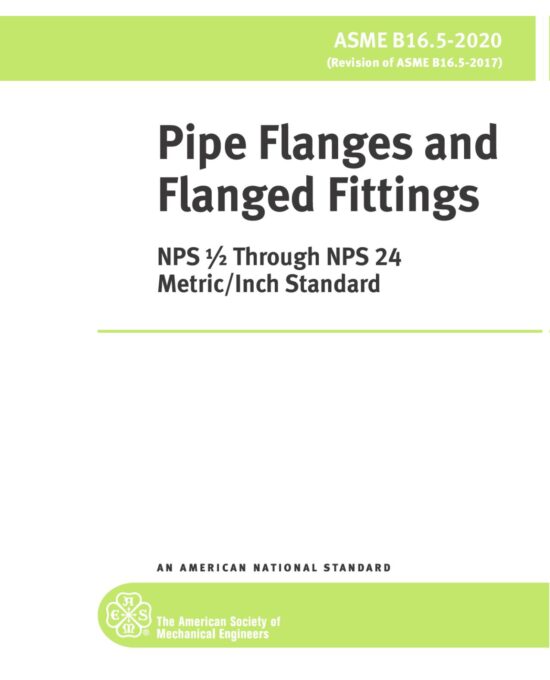
ASME B16.5-2020: Pipe Flanges and Flanged Fittings
Product Summary:
ASME B16.5-2020 defines the requirements for pipe flanges and flanged fittings in sizes NPS ½ through NPS 24, covering pressure–temperature ratings, dimensions, tolerances, materials, and testing. It applies to components used in bolted flange joints made from cast, forged, or plate materials in industrial piping systems.
Key Features:
- Pressure–temperature ratings for Classes 150 through 2500
- Dimensional standards for weld neck, blind, reducing, and other flange types
- Specifications for bolting materials, gaskets, and flange assembly practices
- Manufacturing tolerances and permanent marking requirements
- Material listings with corresponding ASTM designations for forgings, castings, and plates
- Guidance on gasket selection, bolted joint design, and system hydrotesting
- Appendices covering bolt length calculations, pressure rating derivation, and quality system standards
- Metric and U.S. Customary units presented side-by-side for reference
Who It’s For:
Essential for piping designers, mechanical engineers, fabricators, and QA/QC personnel involved in pressure piping systems across oil, gas, chemical, and industrial sectors.
ASME B16.5-2020
ASME B16.5-2020: Pipe Flanges and Flanged Fittings
Product Summary:
ASME B16.5-2020 defines the requirements for pipe flanges and flanged fittings in sizes NPS ½ through NPS 24, covering pressure–temperature ratings, dimensions, tolerances, materials, and testing. It applies to components used in bolted flange joints made from cast, forged, or plate materials in industrial piping systems.
Key Features:
- Pressure–temperature ratings for Classes 150 through 2500
- Dimensional standards for weld neck, blind, reducing, and other flange types
- Specifications for bolting materials, gaskets, and flange assembly practices
- Manufacturing tolerances and permanent marking requirements
- Material listings with corresponding ASTM designations for forgings, castings, and plates
- Guidance on gasket selection, bolted joint design, and system hydrotesting
- Appendices covering bolt length calculations, pressure rating derivation, and quality system standards
- Metric and U.S. Customary units presented side-by-side for reference
Who It’s For:
Essential for piping designers, mechanical engineers, fabricators, and QA/QC personnel involved in pressure piping systems across oil, gas, chemical, and industrial sectors.
ASME B16.5-2020