
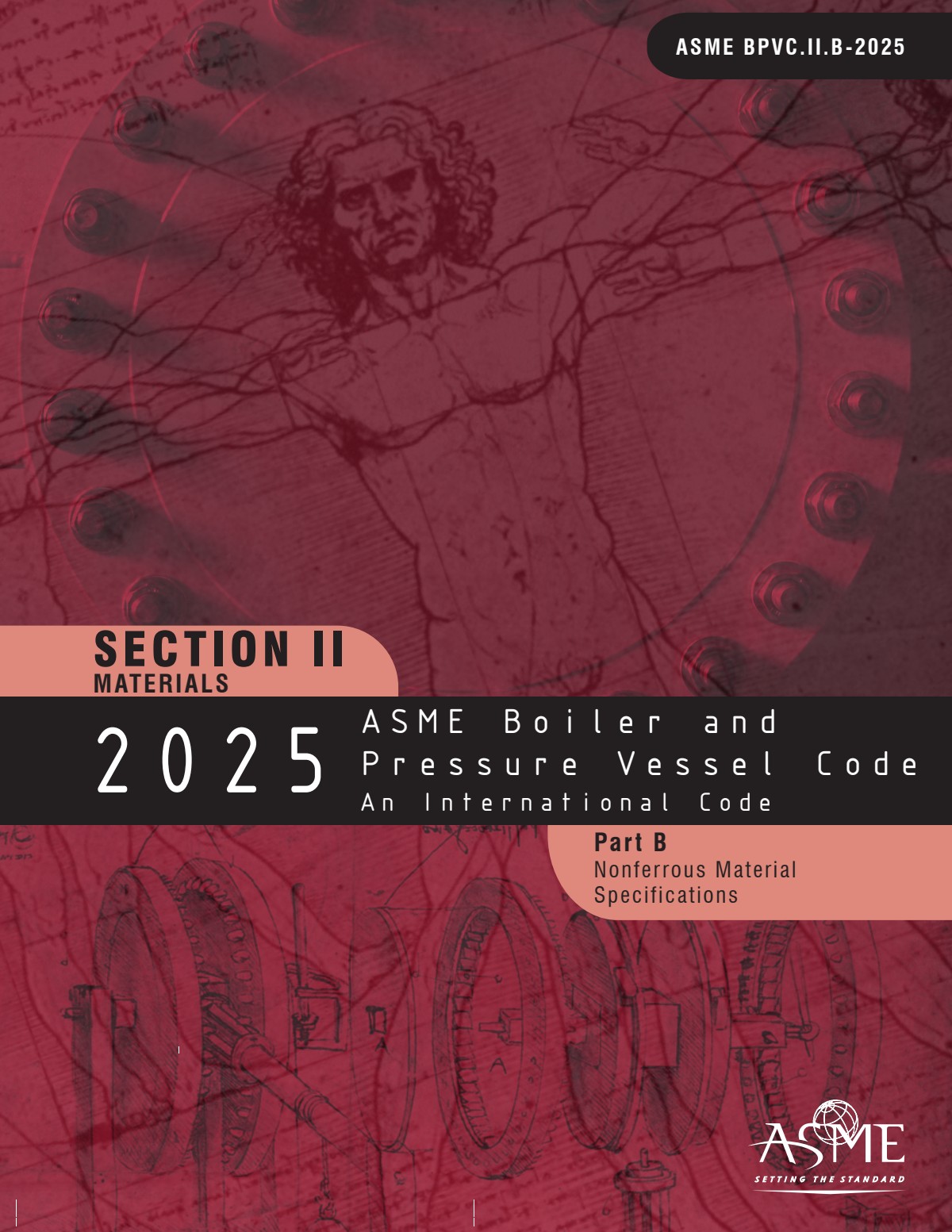
ASME BPVC 2025 Section II, Part B: Nonferrous Material Specifications
Original price was: $930.00.$310.00Current price is: $310.00.
ASME BPVC 2025 Section II, Part B: Nonferrous Material Specifications
provides a comprehensive collection of standards for nonferrous materials used in pressure equipment construction.
This section details requirements for chemical composition, mechanical properties, manufacturing processes,
heat treatment, and testing procedures.
Specifications are designated by SB numbers and harmonized with ASTM and
other international standards, ensuring global applicability and compliance.
Widely used by engineers, inspectors, and manufacturers, Section II, Part B serves as a
critical reference for safe and code-compliant use of nonferrous alloys in boilers, pressure vessels,
and associated components.
ASME BPVC 2025 Section II, Part B: Nonferrous Material Specifications
provides a comprehensive collection of standards for nonferrous materials used in pressure equipment construction.
This section details requirements for chemical composition, mechanical properties, manufacturing processes,
heat treatment, and testing procedures.
Specifications are designated by SB numbers and harmonized with ASTM and
other international standards, ensuring global applicability and compliance.
Widely used by engineers, inspectors, and manufacturers, Section II, Part B serves as a
critical reference for safe and code-compliant use of nonferrous alloys in boilers, pressure vessels,
and associated components.
Book information
Purchase now to read the book instantly.
Add to cartRelated products
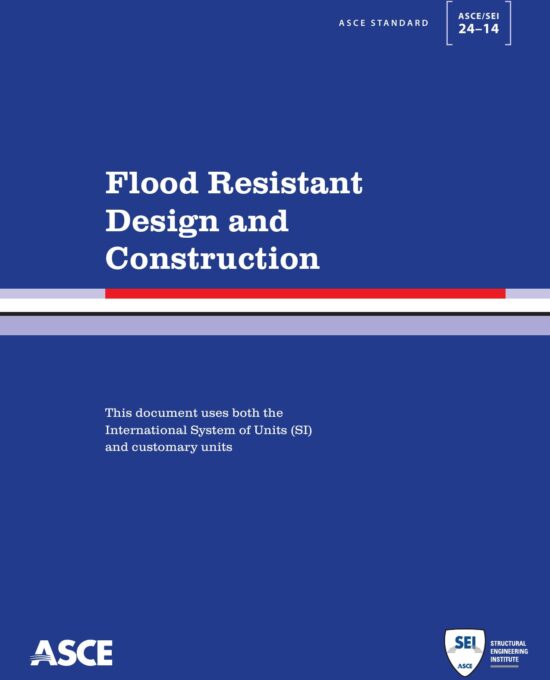
ASCE 24-14: Flood Resistant Design and Construction, 2014
ASCE 24-14: Flood Resistant Design and Construction provides minimum requirements for the planning, design, and construction of buildings in flood-prone areas. Referenced by the International Building Code (IBC) and the National Flood Insurance Program (NFIP), this standard supports floodplain management regulations and promotes resilience through engineering best practices.
Highlights:
- Defines Flood Design Class (1–4) to guide risk-based design criteria
- Specifies elevation requirements based on flood hazard zones, building type, and occupancy
- Includes wet and dry floodproofing methods for commercial and residential applications
- Updates flood opening requirements including engineered vent systems and louvers
- Provides structural design standards for Coastal A Zones and coastal high hazard areas
- Identifies acceptable flood damage-resistant materials and construction techniques
- Covers tanks, utilities, egress, garages, and parking structures in flood-prone zones
- Offers guidance for substantial improvements and retrofitting of existing buildings
- Coordinates with ASCE 7 and NFIP regulations to ensure code consistency and compliance
Who It’s For:
Essential for civil engineers, architects, code officials, and builders involved in flood zone development, permitting, and compliance with FEMA, IBC, and local floodplain standards.
ASCE 24-2014
ASCE 24-14: Flood Resistant Design and Construction, 2014
ASCE 24-14: Flood Resistant Design and Construction provides minimum requirements for the planning, design, and construction of buildings in flood-prone areas. Referenced by the International Building Code (IBC) and the National Flood Insurance Program (NFIP), this standard supports floodplain management regulations and promotes resilience through engineering best practices.
Highlights:
- Defines Flood Design Class (1–4) to guide risk-based design criteria
- Specifies elevation requirements based on flood hazard zones, building type, and occupancy
- Includes wet and dry floodproofing methods for commercial and residential applications
- Updates flood opening requirements including engineered vent systems and louvers
- Provides structural design standards for Coastal A Zones and coastal high hazard areas
- Identifies acceptable flood damage-resistant materials and construction techniques
- Covers tanks, utilities, egress, garages, and parking structures in flood-prone zones
- Offers guidance for substantial improvements and retrofitting of existing buildings
- Coordinates with ASCE 7 and NFIP regulations to ensure code consistency and compliance
Who It’s For:
Essential for civil engineers, architects, code officials, and builders involved in flood zone development, permitting, and compliance with FEMA, IBC, and local floodplain standards.
ASCE 24-2014
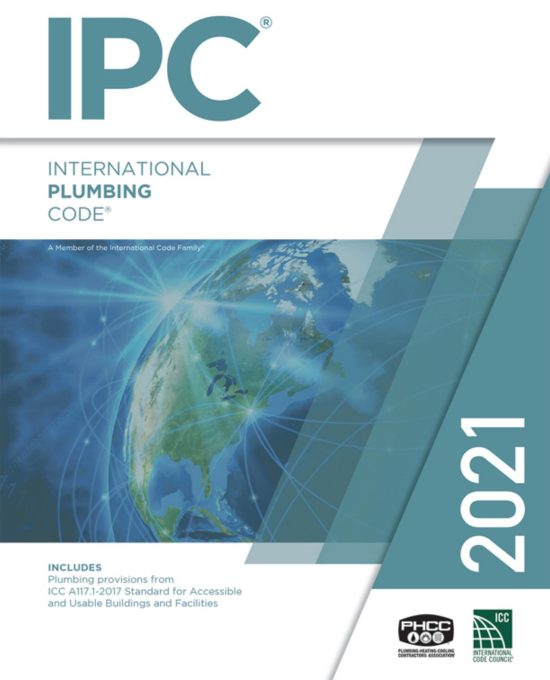
2021 International Plumbing Code – IPC-2021
The 2021 International Plumbing Code® (IPC) establishes minimum standards for the design, installation, and inspection of plumbing systems in all building types—except one- and two-family dwellings and townhouses up to three stories, which are covered under the IRC. This code supports both prescriptive and performance-based approaches and promotes innovation in materials and design.
Highlights:
- Permits multiple-user all-gender toilet facilities
- Adds two approved methods for sewer relining and rehabilitation
- Allows rooftop solar panels to be installed over vent terminals
- Recognizes CSA B805/ICC 805 for rainwater harvesting system design
- Integrates accessibility provisions from ICC A117.1-2017
- Covers potable and nonpotable water, sanitary and storm drainage, venting, water heaters, and graywater systems
- Structured into prescriptive chapters with appendices and accessibility references
- Fully aligned with the 2021 I-Codes for unified plumbing regulation and enforcement
Who It’s For:
Plumbing engineers, contractors, inspectors, and code officials working on compliant, modern plumbing systems in commercial and multifamily buildings.
IPC-2021
2021 International Plumbing Code – IPC-2021
The 2021 International Plumbing Code® (IPC) establishes minimum standards for the design, installation, and inspection of plumbing systems in all building types—except one- and two-family dwellings and townhouses up to three stories, which are covered under the IRC. This code supports both prescriptive and performance-based approaches and promotes innovation in materials and design.
Highlights:
- Permits multiple-user all-gender toilet facilities
- Adds two approved methods for sewer relining and rehabilitation
- Allows rooftop solar panels to be installed over vent terminals
- Recognizes CSA B805/ICC 805 for rainwater harvesting system design
- Integrates accessibility provisions from ICC A117.1-2017
- Covers potable and nonpotable water, sanitary and storm drainage, venting, water heaters, and graywater systems
- Structured into prescriptive chapters with appendices and accessibility references
- Fully aligned with the 2021 I-Codes for unified plumbing regulation and enforcement
Who It’s For:
Plumbing engineers, contractors, inspectors, and code officials working on compliant, modern plumbing systems in commercial and multifamily buildings.
IPC-2021
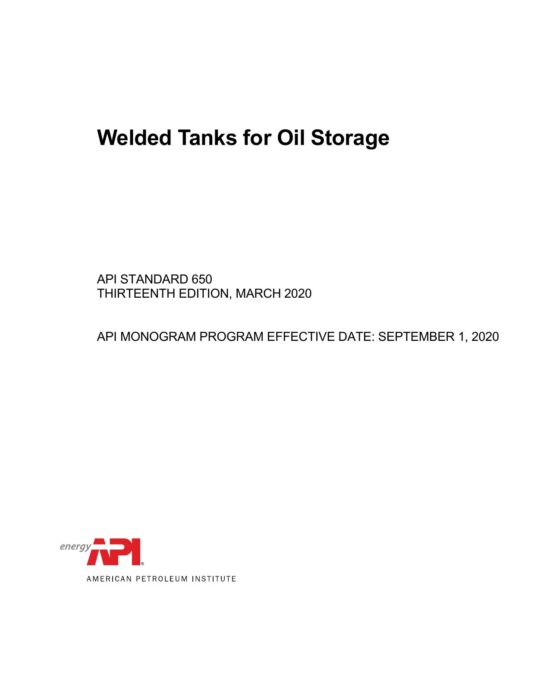
API 650: Welded Tanks for Oil Storage, 13th Edition (2020)
API 650: Welded Tanks for Oil Storage, 13th Edition (2020) sets the standard for the design, construction, and inspection of vertical, cylindrical, aboveground welded storage tanks operating near atmospheric pressure. Intended for non-refrigerated service up to 93°C (200°F), this specification is essential for tanks used in the storage of petroleum, chemicals, and other liquid products.
Highlights:
- Covers open-top and closed-top tank design for a wide range of capacities
- Allows construction using carbon steel, stainless steel, and duplex steel materials
- Specifies requirements for shell, bottom, roof, nozzle components, and structural supports
- Provides detailed material selection guidance and limits for plates, flanges, and welding consumables
- Defines procedures for welding, welder qualification, and weld inspection
- Includes standards for erection, hydrostatic testing, tolerances, and repair methods
- Annexes address specialized applications:
- Seismic design (Annex E)
- Floating roofs (Annexes C and H)
- Aluminum and stainless steel tanks (Annexes AL and S)
- Elevated temperature service (Annex M)
- Leak detection, under-bottom connections (Annexes I and O)
- API Monogram licensing (Annex Y)
Who It’s For:
A critical reference for storage tank engineers, fabricators, inspectors, and facility operators involved in tank design, procurement, fabrication, and field erection in the oil, gas, chemical, and industrial sectors.
API 650-2020
API 650: Welded Tanks for Oil Storage, 13th Edition (2020)
API 650: Welded Tanks for Oil Storage, 13th Edition (2020) sets the standard for the design, construction, and inspection of vertical, cylindrical, aboveground welded storage tanks operating near atmospheric pressure. Intended for non-refrigerated service up to 93°C (200°F), this specification is essential for tanks used in the storage of petroleum, chemicals, and other liquid products.
Highlights:
- Covers open-top and closed-top tank design for a wide range of capacities
- Allows construction using carbon steel, stainless steel, and duplex steel materials
- Specifies requirements for shell, bottom, roof, nozzle components, and structural supports
- Provides detailed material selection guidance and limits for plates, flanges, and welding consumables
- Defines procedures for welding, welder qualification, and weld inspection
- Includes standards for erection, hydrostatic testing, tolerances, and repair methods
- Annexes address specialized applications:
- Seismic design (Annex E)
- Floating roofs (Annexes C and H)
- Aluminum and stainless steel tanks (Annexes AL and S)
- Elevated temperature service (Annex M)
- Leak detection, under-bottom connections (Annexes I and O)
- API Monogram licensing (Annex Y)
Who It’s For:
A critical reference for storage tank engineers, fabricators, inspectors, and facility operators involved in tank design, procurement, fabrication, and field erection in the oil, gas, chemical, and industrial sectors.
API 650-2020
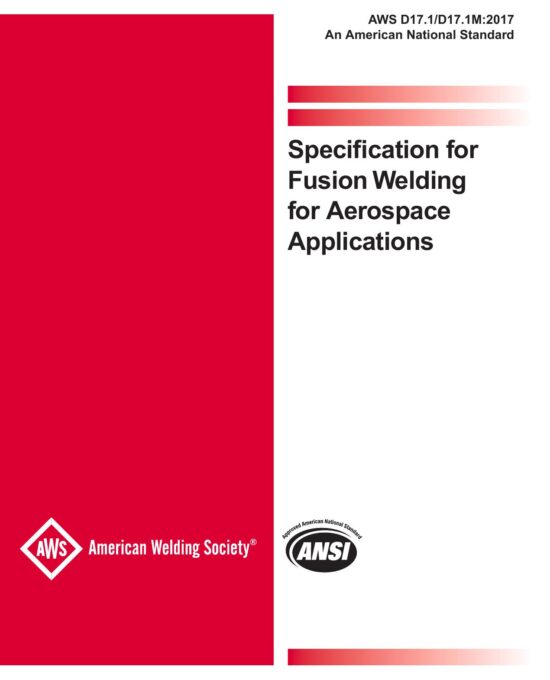
AWS D17.1/D17.1M:2017 – Specification for Fusion Welding for Aerospace Applications
AWS D17.1/D17.1M:2017 establishes the welding requirements for aircraft, aerospace, and space hardware using electric arc and high-energy beam fusion welding processes. It covers aluminum, nickel, iron, cobalt, titanium, and magnesium alloys and supports both flight-critical and support structure applications.
Highlights:
- Design criteria for aerospace weld joints
- Qualification requirements for procedures and personnel
- Fabrication, inspection, and acceptance standards
- Repair guidance for aerospace components
- Preweld/postweld processes including traceability and cleaning
- Visual and nondestructive exam methods with acceptance criteria
- Normative/informative annexes on bend tests, positions, acronyms, and forms
- Commentary with technical interpretation and best practices
New in the 2017 Edition:
- Annexes for UNS material designations
- Expanded welding position coverage and standardized forms
- Editorial updates for clarity and usability
Who’s It For:
Aerospace engineers, welding supervisors, inspectors, and quality professionals involved in the fabrication or evaluation of welded aerospace structures.
AWS D17.1/D17.1M-2017
AWS D17.1/D17.1M:2017 – Specification for Fusion Welding for Aerospace Applications
AWS D17.1/D17.1M:2017 establishes the welding requirements for aircraft, aerospace, and space hardware using electric arc and high-energy beam fusion welding processes. It covers aluminum, nickel, iron, cobalt, titanium, and magnesium alloys and supports both flight-critical and support structure applications.
Highlights:
- Design criteria for aerospace weld joints
- Qualification requirements for procedures and personnel
- Fabrication, inspection, and acceptance standards
- Repair guidance for aerospace components
- Preweld/postweld processes including traceability and cleaning
- Visual and nondestructive exam methods with acceptance criteria
- Normative/informative annexes on bend tests, positions, acronyms, and forms
- Commentary with technical interpretation and best practices
New in the 2017 Edition:
- Annexes for UNS material designations
- Expanded welding position coverage and standardized forms
- Editorial updates for clarity and usability
Who’s It For:
Aerospace engineers, welding supervisors, inspectors, and quality professionals involved in the fabrication or evaluation of welded aerospace structures.
AWS D17.1/D17.1M-2017