
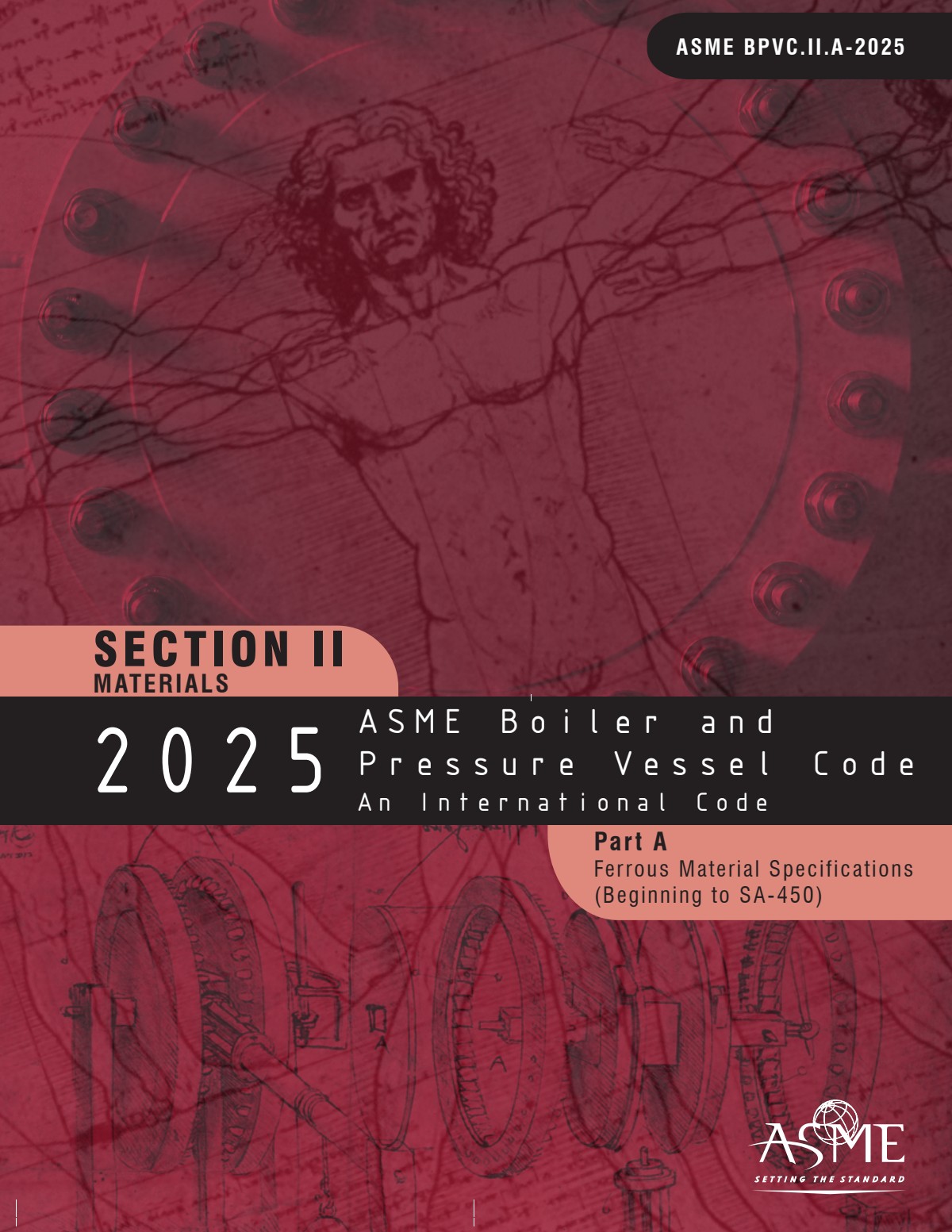
ASME BPVC 2025 Section II, Part A: Ferrous Material Specifications, SA-1 to SA-450
Original price was: $1,020.00.$340.00Current price is: $340.00.
The ASME BPVC 2025 Section II, Part A: SA-1 to SA-450 provides the complete set of ferrous material specifications from SA-1 through SA-450. This volume is essential for engineers, designers, and inspectors working with boilers and pressure vessels, offering up-to-date requirements for material selection and code compliance.
The ASME BPVC 2025 Section II, Part A: SA-1 to SA-450 provides the complete set of ferrous material specifications from SA-1 through SA-450. This volume is essential for engineers, designers, and inspectors working with boilers and pressure vessels, offering up-to-date requirements for material selection and code compliance.
Book information
Purchase now to read the book instantly.
Add to cartRelated products
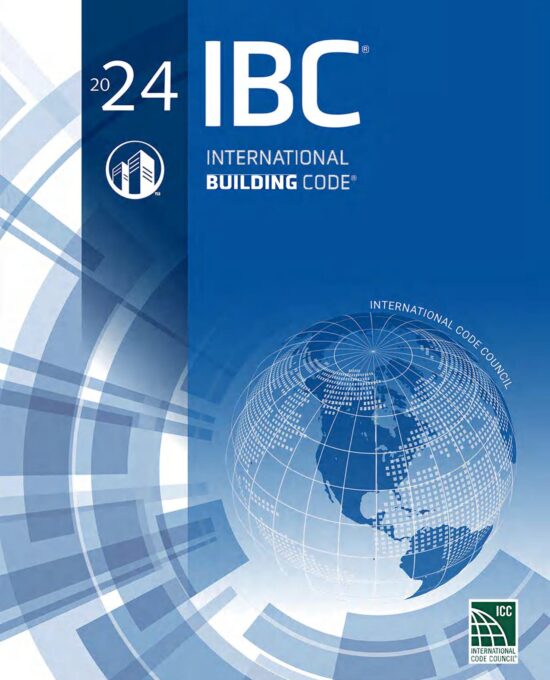
2024 International Building Code – IBC-2024
The 2024 International Building Code® (IBC) provides coordinated regulations for the construction, alteration, addition, repair, and maintenance of commercial and multifamily buildings. Published by the International Code Council (ICC), this model code is used across jurisdictions to ensure safe, accessible, and sustainable construction through enforceable design and inspection standards. The 2024 edition introduces substantial updates reflecting emerging building technologies, revised load criteria, and digital integration tools.
Highlights:
- Structural load criteria updated per ASCE 7-22 for wind, seismic, snow, rain, and flood
- Revised risk categories, construction types, and fire-resistance ratings
- Enhancements to accessibility provisions aligned with ICC A117.1-2017
- Mass timber rules expanded for taller and larger buildings under new Type IV classifications
- New requirements for storm shelters in specific educational and emergency facilities
- Improved fire protection systems and egress strategies for large occupant loads
- QR-coded references for change tracking and digital plan review integration
- Updated mechanical, electrical, plumbing, and energy provisions through I-Code coordination
- Appendices revised for tsunami design, grading, rodentproofing, and replicable buildings
- Expanded support for modular and off-site construction methodologies
Who It’s For:
Architects, engineers, contractors, building officials, and developers needing full compliance with 2024 code updates for plan review, permitting, and construction documentation.
IBC-2024
2024 International Building Code – IBC-2024
The 2024 International Building Code® (IBC) provides coordinated regulations for the construction, alteration, addition, repair, and maintenance of commercial and multifamily buildings. Published by the International Code Council (ICC), this model code is used across jurisdictions to ensure safe, accessible, and sustainable construction through enforceable design and inspection standards. The 2024 edition introduces substantial updates reflecting emerging building technologies, revised load criteria, and digital integration tools.
Highlights:
- Structural load criteria updated per ASCE 7-22 for wind, seismic, snow, rain, and flood
- Revised risk categories, construction types, and fire-resistance ratings
- Enhancements to accessibility provisions aligned with ICC A117.1-2017
- Mass timber rules expanded for taller and larger buildings under new Type IV classifications
- New requirements for storm shelters in specific educational and emergency facilities
- Improved fire protection systems and egress strategies for large occupant loads
- QR-coded references for change tracking and digital plan review integration
- Updated mechanical, electrical, plumbing, and energy provisions through I-Code coordination
- Appendices revised for tsunami design, grading, rodentproofing, and replicable buildings
- Expanded support for modular and off-site construction methodologies
Who It’s For:
Architects, engineers, contractors, building officials, and developers needing full compliance with 2024 code updates for plan review, permitting, and construction documentation.
IBC-2024
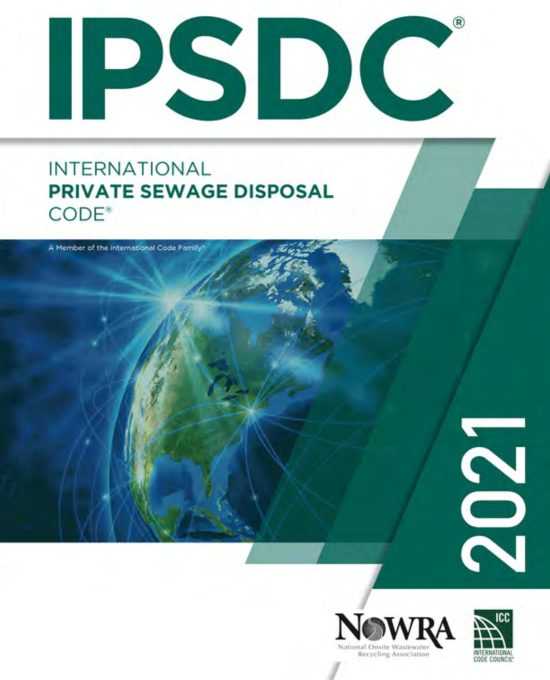
2021 International Private Sewage Disposal Code – IPSDC-2021
The 2021 International Private Sewage Disposal Code® (IPSDC) establishes standards for the design, installation, and maintenance of on-site sewage systems for properties not connected to public sewer systems. It covers new systems and alterations to existing wastewater treatment infrastructure, ensuring health and environmental safety in decentralized applications.
Highlights:
- Offers a prescriptive design approach based on soil conditions, system size, and site evaluation
- Covers soil absorption systems, holding tanks, cesspools, and residential/light commercial treatment units
- Requires structured site evaluations based on percolation rates and environmental conditions
- Specifies construction and material standards for piping, tanks, system layout, and backfill
- Includes enforcement and administrative guidance for permitting, inspections, and jurisdictional customization
- Fully coordinated with the 2021 I-Codes, including IPC, IRC, and IEBC
Who It’s For:
Environmental health professionals, contractors, designers, and code officials regulating private sewage systems in non-sewered areas.
IPSDC-2021
2021 International Private Sewage Disposal Code – IPSDC-2021
The 2021 International Private Sewage Disposal Code® (IPSDC) establishes standards for the design, installation, and maintenance of on-site sewage systems for properties not connected to public sewer systems. It covers new systems and alterations to existing wastewater treatment infrastructure, ensuring health and environmental safety in decentralized applications.
Highlights:
- Offers a prescriptive design approach based on soil conditions, system size, and site evaluation
- Covers soil absorption systems, holding tanks, cesspools, and residential/light commercial treatment units
- Requires structured site evaluations based on percolation rates and environmental conditions
- Specifies construction and material standards for piping, tanks, system layout, and backfill
- Includes enforcement and administrative guidance for permitting, inspections, and jurisdictional customization
- Fully coordinated with the 2021 I-Codes, including IPC, IRC, and IEBC
Who It’s For:
Environmental health professionals, contractors, designers, and code officials regulating private sewage systems in non-sewered areas.
IPSDC-2021
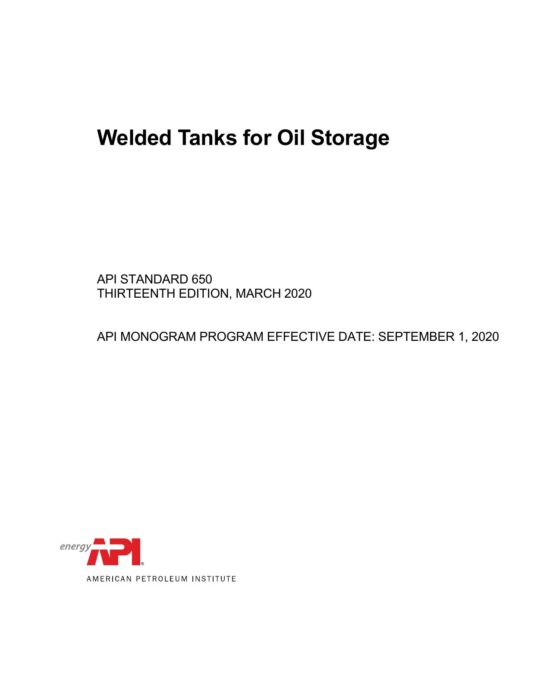
API 650: Welded Tanks for Oil Storage, 13th Edition (2020)
API 650: Welded Tanks for Oil Storage, 13th Edition (2020) sets the standard for the design, construction, and inspection of vertical, cylindrical, aboveground welded storage tanks operating near atmospheric pressure. Intended for non-refrigerated service up to 93°C (200°F), this specification is essential for tanks used in the storage of petroleum, chemicals, and other liquid products.
Highlights:
- Covers open-top and closed-top tank design for a wide range of capacities
- Allows construction using carbon steel, stainless steel, and duplex steel materials
- Specifies requirements for shell, bottom, roof, nozzle components, and structural supports
- Provides detailed material selection guidance and limits for plates, flanges, and welding consumables
- Defines procedures for welding, welder qualification, and weld inspection
- Includes standards for erection, hydrostatic testing, tolerances, and repair methods
- Annexes address specialized applications:
- Seismic design (Annex E)
- Floating roofs (Annexes C and H)
- Aluminum and stainless steel tanks (Annexes AL and S)
- Elevated temperature service (Annex M)
- Leak detection, under-bottom connections (Annexes I and O)
- API Monogram licensing (Annex Y)
Who It’s For:
A critical reference for storage tank engineers, fabricators, inspectors, and facility operators involved in tank design, procurement, fabrication, and field erection in the oil, gas, chemical, and industrial sectors.
API 650-2020
API 650: Welded Tanks for Oil Storage, 13th Edition (2020)
API 650: Welded Tanks for Oil Storage, 13th Edition (2020) sets the standard for the design, construction, and inspection of vertical, cylindrical, aboveground welded storage tanks operating near atmospheric pressure. Intended for non-refrigerated service up to 93°C (200°F), this specification is essential for tanks used in the storage of petroleum, chemicals, and other liquid products.
Highlights:
- Covers open-top and closed-top tank design for a wide range of capacities
- Allows construction using carbon steel, stainless steel, and duplex steel materials
- Specifies requirements for shell, bottom, roof, nozzle components, and structural supports
- Provides detailed material selection guidance and limits for plates, flanges, and welding consumables
- Defines procedures for welding, welder qualification, and weld inspection
- Includes standards for erection, hydrostatic testing, tolerances, and repair methods
- Annexes address specialized applications:
- Seismic design (Annex E)
- Floating roofs (Annexes C and H)
- Aluminum and stainless steel tanks (Annexes AL and S)
- Elevated temperature service (Annex M)
- Leak detection, under-bottom connections (Annexes I and O)
- API Monogram licensing (Annex Y)
Who It’s For:
A critical reference for storage tank engineers, fabricators, inspectors, and facility operators involved in tank design, procurement, fabrication, and field erection in the oil, gas, chemical, and industrial sectors.
API 650-2020
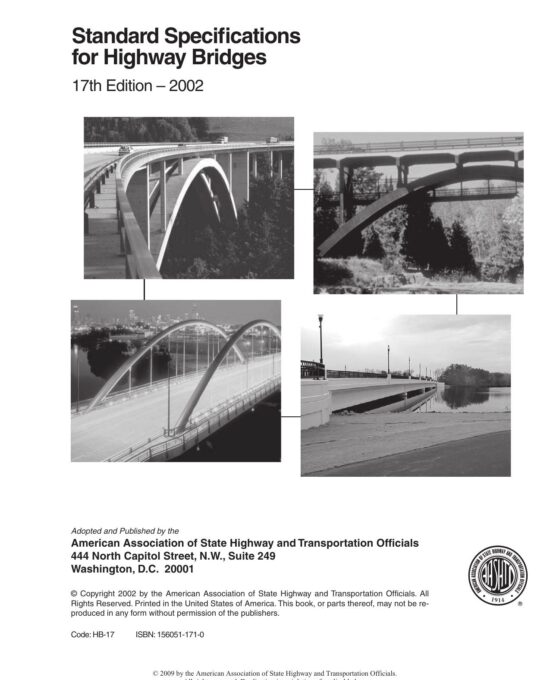
AASHTO HB-17: Standard Specifications for Highway Bridges, 17th Edition (2002)
AASHTO HB-17: Standard Specifications for Highway Bridges, 17th Edition (2002) provides comprehensive criteria for the design, construction, and maintenance of highway bridges throughout the United States. This edition is the final update prior to the nationwide adoption of Load and Resistance Factor Design (LRFD) standards.
Highlights:
- General provisions for bridge design, structural analysis, and performance
- Criteria for superstructures, substructures, abutments, culverts, and piers
- Service load and load factor design methods for concrete, steel, timber, and prestressed components
- Requirements for foundations, retaining structures, and soil-structure interaction
- Specifications addressing load distribution, fatigue, seismic considerations, and strength evaluation
- Commentary and notes incorporating interim revisions through 2003
- References to supporting standards from AASHTO, ASTM, AWS, and others
- Applicable to rehabilitation, legacy design validation, and maintenance planning for non-LRFD bridges
Who It’s For:
A critical reference for bridge engineers, transportation officials, and contractors working with legacy structures or evaluating designs developed before the transition to LRFD.
HB-17-2002
AASHTO HB-17: Standard Specifications for Highway Bridges, 17th Edition (2002)
AASHTO HB-17: Standard Specifications for Highway Bridges, 17th Edition (2002) provides comprehensive criteria for the design, construction, and maintenance of highway bridges throughout the United States. This edition is the final update prior to the nationwide adoption of Load and Resistance Factor Design (LRFD) standards.
Highlights:
- General provisions for bridge design, structural analysis, and performance
- Criteria for superstructures, substructures, abutments, culverts, and piers
- Service load and load factor design methods for concrete, steel, timber, and prestressed components
- Requirements for foundations, retaining structures, and soil-structure interaction
- Specifications addressing load distribution, fatigue, seismic considerations, and strength evaluation
- Commentary and notes incorporating interim revisions through 2003
- References to supporting standards from AASHTO, ASTM, AWS, and others
- Applicable to rehabilitation, legacy design validation, and maintenance planning for non-LRFD bridges
Who It’s For:
A critical reference for bridge engineers, transportation officials, and contractors working with legacy structures or evaluating designs developed before the transition to LRFD.
HB-17-2002