
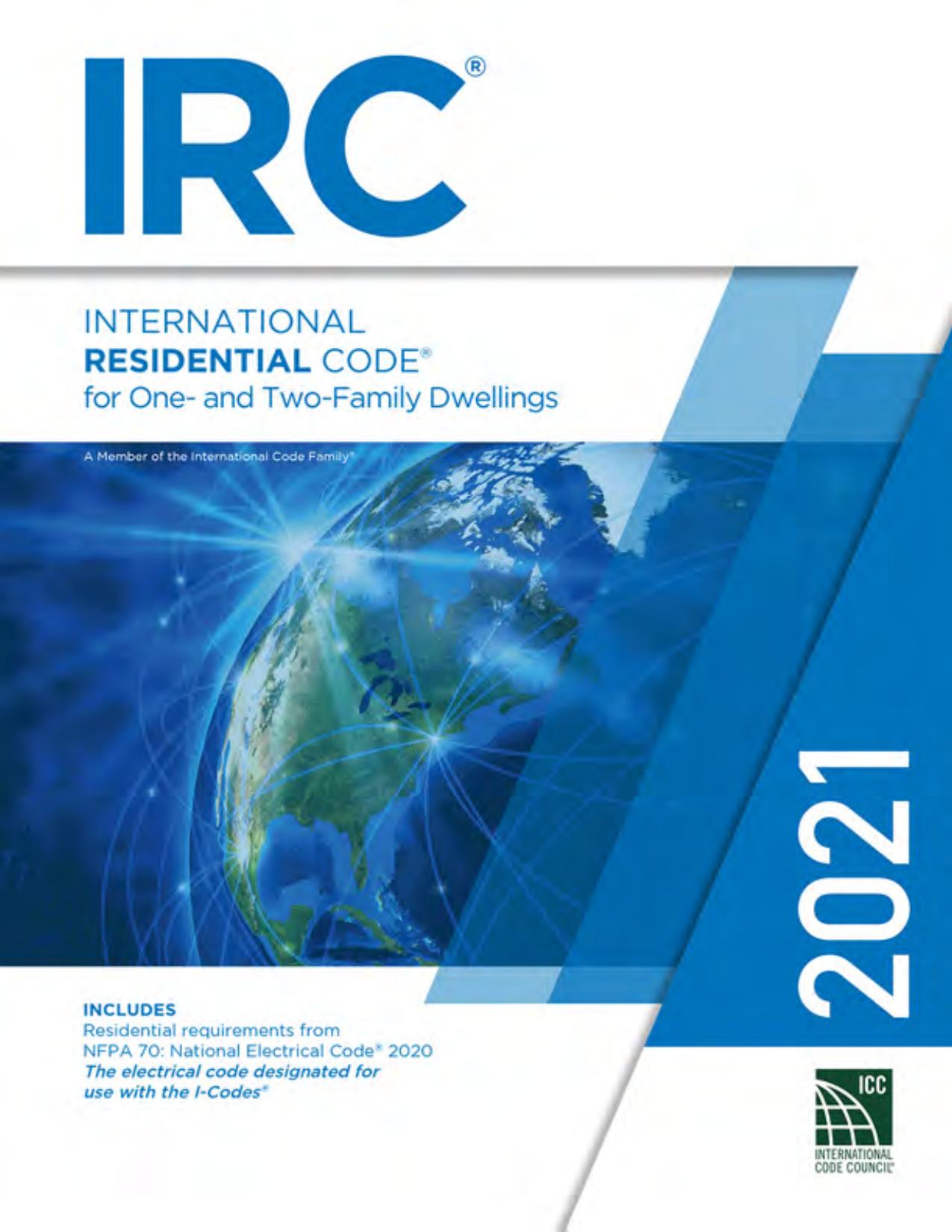
2021 International Residential Code for One- and Two-Family Dwellings – IRC-2021
Original price was: $60.00.$37.00Current price is: $37.00.
The 2021 International Residential Code® (IRC) sets minimum requirements for one- and two-family dwellings and townhouses up to three stories. This official ICC model code consolidates building, mechanical, plumbing, energy, fuel gas, and electrical standards into one unified guide for home construction compliance.
Highlights:
- Covers structural, mechanical, plumbing, HVAC, energy, and electrical systems
- Offers both prescriptive rules and performance-based design flexibility
- Aligns with 2021 I-Codes® for integrated, multi-discipline compliance
- Includes updated energy provisions (NFPA 70, IECC) and appendices for solar, radon, and 3D-printed construction
Who It’s For:
Builders, code officials, engineers, and inspectors involved in residential code compliance, permitting, inspection preparation, or professional reference.
IRC-2021
The 2021 International Residential Code® (IRC) sets minimum requirements for one- and two-family dwellings and townhouses up to three stories. This official ICC model code consolidates building, mechanical, plumbing, energy, fuel gas, and electrical standards into one unified guide for home construction compliance.
Highlights:
- Covers structural, mechanical, plumbing, HVAC, energy, and electrical systems
- Offers both prescriptive rules and performance-based design flexibility
- Aligns with 2021 I-Codes® for integrated, multi-discipline compliance
- Includes updated energy provisions (NFPA 70, IECC) and appendices for solar, radon, and 3D-printed construction
Who It’s For:
Builders, code officials, engineers, and inspectors involved in residential code compliance, permitting, inspection preparation, or professional reference.
IRC-2021
Book information
Purchase now to read the book instantly.
Add to cartRelated products
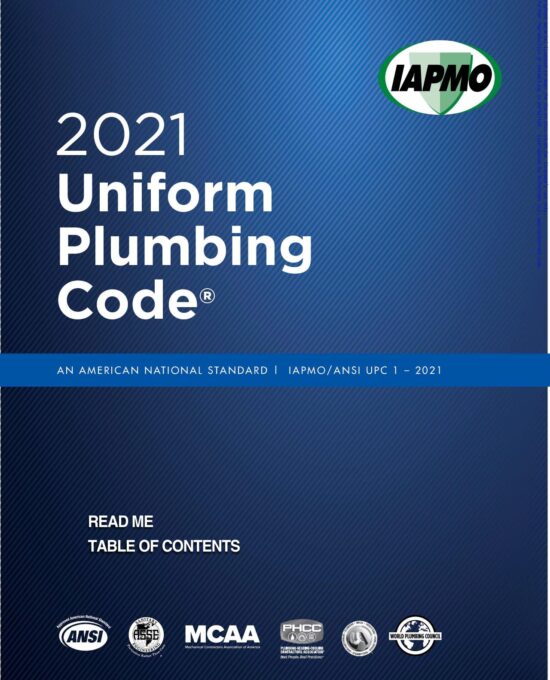
2021 Uniform Plumbing Code – UPC 1-2021 (IAPMO)
The 2021 Uniform Plumbing Code® (UPC), developed by IAPMO and approved through the ANSI consensus process, establishes minimum requirements for plumbing system design, installation, and inspection. It incorporates the latest safety, efficiency, and performance provisions used across residential, commercial, and industrial projects.
Highlights:
- Adds Appendix N for defining scald risk and Legionella prevention through temperature control
- Updates backflow prevention device standards and installation methods
- Expands temperature-limiting protections for hot water outlets
- Establishes safety requirements for rooftop appliances and raised platforms
- Revises T&P valve discharge piping provisions for clarity and safety
- Introduces requirements for leak detection and monitoring technologies
- Enhances potable water pump installation and performance standards
- Adds DWV system updates for materials, cleanout access, and venting configurations
- Reorganizes medical and fuel gas system chapters for improved usability
Who It’s For:
Plumbing engineers, contractors, inspectors, and code officials enforcing compliant plumbing installations under the 2021 UPC framework.
UPC 1-2021 (IAPMO)
2021 Uniform Plumbing Code – UPC 1-2021 (IAPMO)
The 2021 Uniform Plumbing Code® (UPC), developed by IAPMO and approved through the ANSI consensus process, establishes minimum requirements for plumbing system design, installation, and inspection. It incorporates the latest safety, efficiency, and performance provisions used across residential, commercial, and industrial projects.
Highlights:
- Adds Appendix N for defining scald risk and Legionella prevention through temperature control
- Updates backflow prevention device standards and installation methods
- Expands temperature-limiting protections for hot water outlets
- Establishes safety requirements for rooftop appliances and raised platforms
- Revises T&P valve discharge piping provisions for clarity and safety
- Introduces requirements for leak detection and monitoring technologies
- Enhances potable water pump installation and performance standards
- Adds DWV system updates for materials, cleanout access, and venting configurations
- Reorganizes medical and fuel gas system chapters for improved usability
Who It’s For:
Plumbing engineers, contractors, inspectors, and code officials enforcing compliant plumbing installations under the 2021 UPC framework.
UPC 1-2021 (IAPMO)
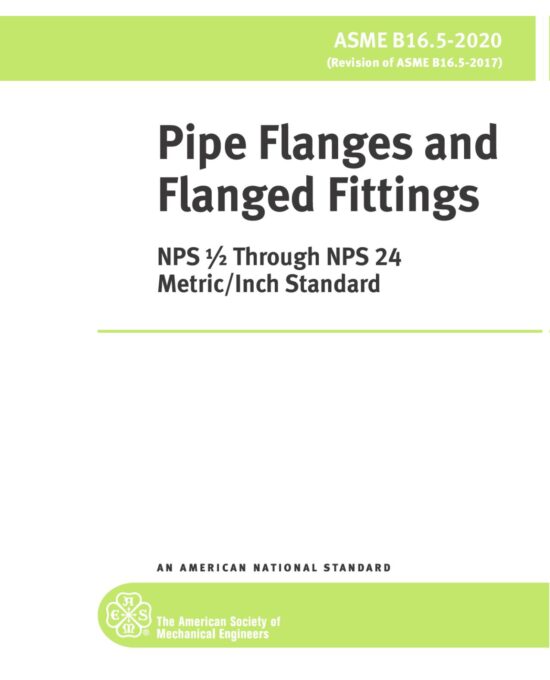
ASME B16.5-2020: Pipe Flanges and Flanged Fittings
Product Summary:
ASME B16.5-2020 defines the requirements for pipe flanges and flanged fittings in sizes NPS ½ through NPS 24, covering pressure–temperature ratings, dimensions, tolerances, materials, and testing. It applies to components used in bolted flange joints made from cast, forged, or plate materials in industrial piping systems.
Key Features:
- Pressure–temperature ratings for Classes 150 through 2500
- Dimensional standards for weld neck, blind, reducing, and other flange types
- Specifications for bolting materials, gaskets, and flange assembly practices
- Manufacturing tolerances and permanent marking requirements
- Material listings with corresponding ASTM designations for forgings, castings, and plates
- Guidance on gasket selection, bolted joint design, and system hydrotesting
- Appendices covering bolt length calculations, pressure rating derivation, and quality system standards
- Metric and U.S. Customary units presented side-by-side for reference
Who It’s For:
Essential for piping designers, mechanical engineers, fabricators, and QA/QC personnel involved in pressure piping systems across oil, gas, chemical, and industrial sectors.
ASME B16.5-2020
ASME B16.5-2020: Pipe Flanges and Flanged Fittings
Product Summary:
ASME B16.5-2020 defines the requirements for pipe flanges and flanged fittings in sizes NPS ½ through NPS 24, covering pressure–temperature ratings, dimensions, tolerances, materials, and testing. It applies to components used in bolted flange joints made from cast, forged, or plate materials in industrial piping systems.
Key Features:
- Pressure–temperature ratings for Classes 150 through 2500
- Dimensional standards for weld neck, blind, reducing, and other flange types
- Specifications for bolting materials, gaskets, and flange assembly practices
- Manufacturing tolerances and permanent marking requirements
- Material listings with corresponding ASTM designations for forgings, castings, and plates
- Guidance on gasket selection, bolted joint design, and system hydrotesting
- Appendices covering bolt length calculations, pressure rating derivation, and quality system standards
- Metric and U.S. Customary units presented side-by-side for reference
Who It’s For:
Essential for piping designers, mechanical engineers, fabricators, and QA/QC personnel involved in pressure piping systems across oil, gas, chemical, and industrial sectors.
ASME B16.5-2020
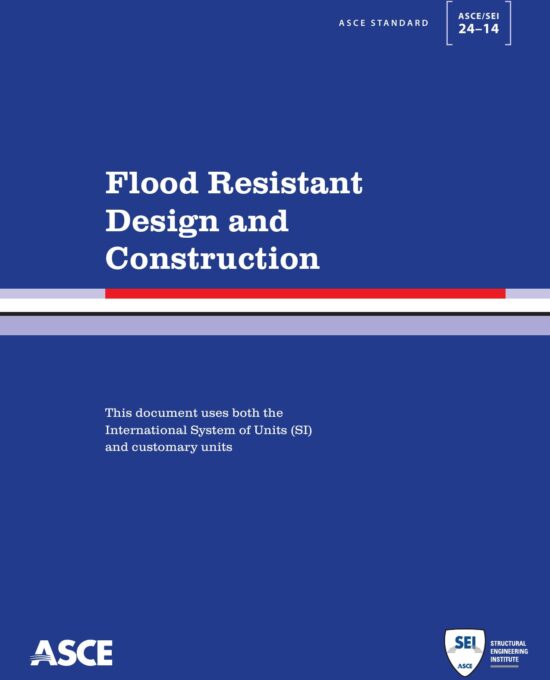
ASCE 24-14: Flood Resistant Design and Construction, 2014
ASCE 24-14: Flood Resistant Design and Construction provides minimum requirements for the planning, design, and construction of buildings in flood-prone areas. Referenced by the International Building Code (IBC) and the National Flood Insurance Program (NFIP), this standard supports floodplain management regulations and promotes resilience through engineering best practices.
Highlights:
- Defines Flood Design Class (1–4) to guide risk-based design criteria
- Specifies elevation requirements based on flood hazard zones, building type, and occupancy
- Includes wet and dry floodproofing methods for commercial and residential applications
- Updates flood opening requirements including engineered vent systems and louvers
- Provides structural design standards for Coastal A Zones and coastal high hazard areas
- Identifies acceptable flood damage-resistant materials and construction techniques
- Covers tanks, utilities, egress, garages, and parking structures in flood-prone zones
- Offers guidance for substantial improvements and retrofitting of existing buildings
- Coordinates with ASCE 7 and NFIP regulations to ensure code consistency and compliance
Who It’s For:
Essential for civil engineers, architects, code officials, and builders involved in flood zone development, permitting, and compliance with FEMA, IBC, and local floodplain standards.
ASCE 24-2014
ASCE 24-14: Flood Resistant Design and Construction, 2014
ASCE 24-14: Flood Resistant Design and Construction provides minimum requirements for the planning, design, and construction of buildings in flood-prone areas. Referenced by the International Building Code (IBC) and the National Flood Insurance Program (NFIP), this standard supports floodplain management regulations and promotes resilience through engineering best practices.
Highlights:
- Defines Flood Design Class (1–4) to guide risk-based design criteria
- Specifies elevation requirements based on flood hazard zones, building type, and occupancy
- Includes wet and dry floodproofing methods for commercial and residential applications
- Updates flood opening requirements including engineered vent systems and louvers
- Provides structural design standards for Coastal A Zones and coastal high hazard areas
- Identifies acceptable flood damage-resistant materials and construction techniques
- Covers tanks, utilities, egress, garages, and parking structures in flood-prone zones
- Offers guidance for substantial improvements and retrofitting of existing buildings
- Coordinates with ASCE 7 and NFIP regulations to ensure code consistency and compliance
Who It’s For:
Essential for civil engineers, architects, code officials, and builders involved in flood zone development, permitting, and compliance with FEMA, IBC, and local floodplain standards.
ASCE 24-2014
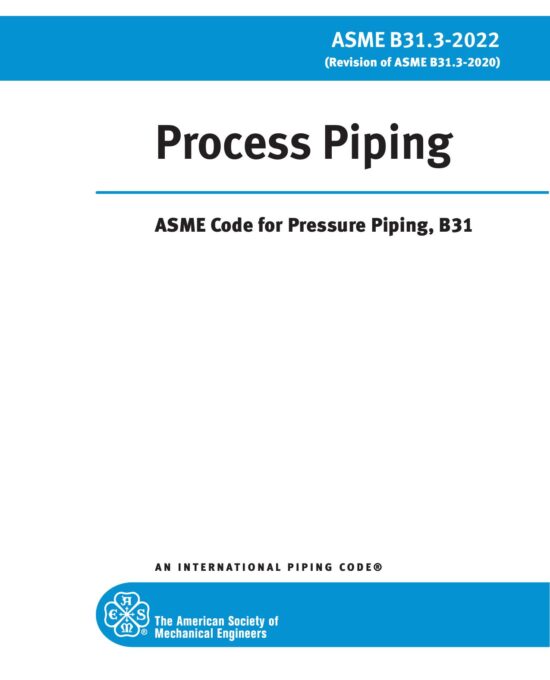
ASME B31.3-2022: Process Piping
ASME B31.3-2022: Process Piping provides comprehensive engineering requirements for the design, materials, fabrication, examination, testing, and safety of process piping systems used in petroleum refineries, chemical plants, pharmaceutical facilities, textile plants, paper mills, and related processing plants and terminals. It is a vital code for ensuring piping integrity in high-pressure, high-temperature, and corrosive service environments.
Highlights:
- Applies to metallic and nonmetallic piping for chemicals, petroleum, natural gas, and related fluids
- Covers piping components: pipe, flanges, valves, gaskets, bolts, expansion joints, and supports
- Design criteria for internal pressure, sustained loads, displacement strains, and occasional loads
- Construction requirements including welding, brazing, bending, assembly, and material specifications
- Mandatory rules for examination, testing, inspection, and leak testing procedures
- Stress range reduction factors, flexibility analysis, and allowable stress values by material and temperature
- Qualification requirements for personnel, procedures, and fabrication documentation
- Integration with ASME Section IX for welding and ASME B31.1 for power piping interfaces
- Updated stress tables and revisions to weld design rules in para. 328.5.2
- Errata incorporated for clarity on strength tables and weld joint tolerances
Who It’s For:
Mechanical engineers, piping designers, fabricators, inspectors, and maintenance teams working on the safe and code-compliant construction and modification of process piping systems across industries.
B31.3-2022
ASME B31.3-2022: Process Piping
ASME B31.3-2022: Process Piping provides comprehensive engineering requirements for the design, materials, fabrication, examination, testing, and safety of process piping systems used in petroleum refineries, chemical plants, pharmaceutical facilities, textile plants, paper mills, and related processing plants and terminals. It is a vital code for ensuring piping integrity in high-pressure, high-temperature, and corrosive service environments.
Highlights:
- Applies to metallic and nonmetallic piping for chemicals, petroleum, natural gas, and related fluids
- Covers piping components: pipe, flanges, valves, gaskets, bolts, expansion joints, and supports
- Design criteria for internal pressure, sustained loads, displacement strains, and occasional loads
- Construction requirements including welding, brazing, bending, assembly, and material specifications
- Mandatory rules for examination, testing, inspection, and leak testing procedures
- Stress range reduction factors, flexibility analysis, and allowable stress values by material and temperature
- Qualification requirements for personnel, procedures, and fabrication documentation
- Integration with ASME Section IX for welding and ASME B31.1 for power piping interfaces
- Updated stress tables and revisions to weld design rules in para. 328.5.2
- Errata incorporated for clarity on strength tables and weld joint tolerances
Who It’s For:
Mechanical engineers, piping designers, fabricators, inspectors, and maintenance teams working on the safe and code-compliant construction and modification of process piping systems across industries.
B31.3-2022