
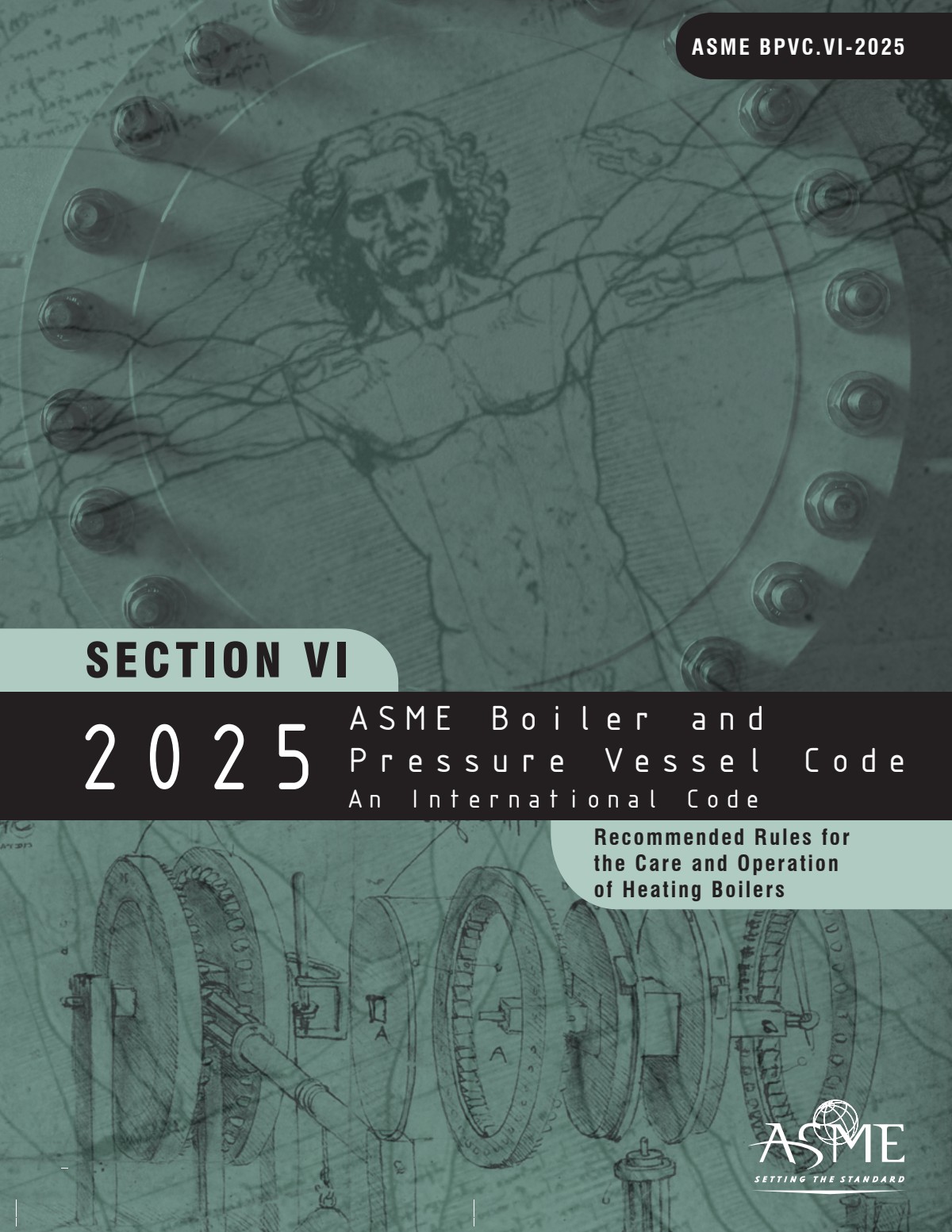
ASME BPVC 2025 Section VI: Rules for the Care and Operation of Heating Boilers
Original price was: $405.00.$135.00Current price is: $135.00.
ASME BPVC 2025 Section VI provides guidelines for the safe and efficient operation, maintenance, and inspection of heating boilers, covering start-up, shutdown, routine care, and operator responsibilities.
ASME BPVC 2025 Section VI provides guidelines for the safe and efficient operation, maintenance, and inspection of heating boilers, covering start-up, shutdown, routine care, and operator responsibilities.
Book information
Purchase now to read the book instantly.
Add to cartRelated products
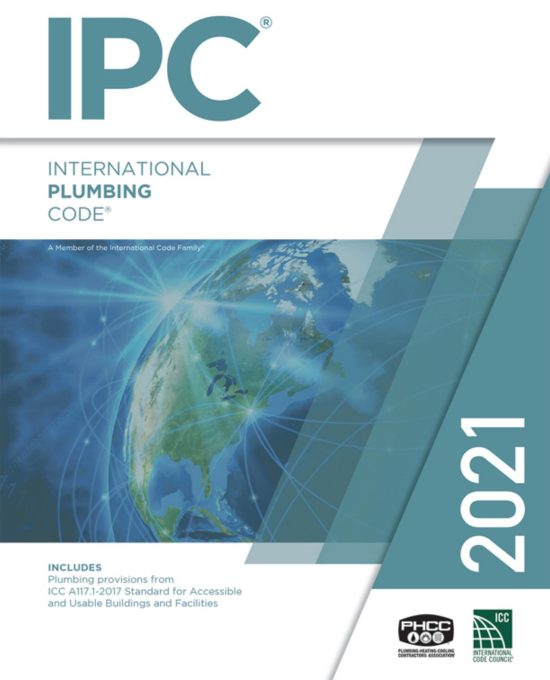
2021 International Plumbing Code – IPC-2021
The 2021 International Plumbing Code® (IPC) establishes minimum standards for the design, installation, and inspection of plumbing systems in all building types—except one- and two-family dwellings and townhouses up to three stories, which are covered under the IRC. This code supports both prescriptive and performance-based approaches and promotes innovation in materials and design.
Highlights:
- Permits multiple-user all-gender toilet facilities
- Adds two approved methods for sewer relining and rehabilitation
- Allows rooftop solar panels to be installed over vent terminals
- Recognizes CSA B805/ICC 805 for rainwater harvesting system design
- Integrates accessibility provisions from ICC A117.1-2017
- Covers potable and nonpotable water, sanitary and storm drainage, venting, water heaters, and graywater systems
- Structured into prescriptive chapters with appendices and accessibility references
- Fully aligned with the 2021 I-Codes for unified plumbing regulation and enforcement
Who It’s For:
Plumbing engineers, contractors, inspectors, and code officials working on compliant, modern plumbing systems in commercial and multifamily buildings.
IPC-2021
2021 International Plumbing Code – IPC-2021
The 2021 International Plumbing Code® (IPC) establishes minimum standards for the design, installation, and inspection of plumbing systems in all building types—except one- and two-family dwellings and townhouses up to three stories, which are covered under the IRC. This code supports both prescriptive and performance-based approaches and promotes innovation in materials and design.
Highlights:
- Permits multiple-user all-gender toilet facilities
- Adds two approved methods for sewer relining and rehabilitation
- Allows rooftop solar panels to be installed over vent terminals
- Recognizes CSA B805/ICC 805 for rainwater harvesting system design
- Integrates accessibility provisions from ICC A117.1-2017
- Covers potable and nonpotable water, sanitary and storm drainage, venting, water heaters, and graywater systems
- Structured into prescriptive chapters with appendices and accessibility references
- Fully aligned with the 2021 I-Codes for unified plumbing regulation and enforcement
Who It’s For:
Plumbing engineers, contractors, inspectors, and code officials working on compliant, modern plumbing systems in commercial and multifamily buildings.
IPC-2021
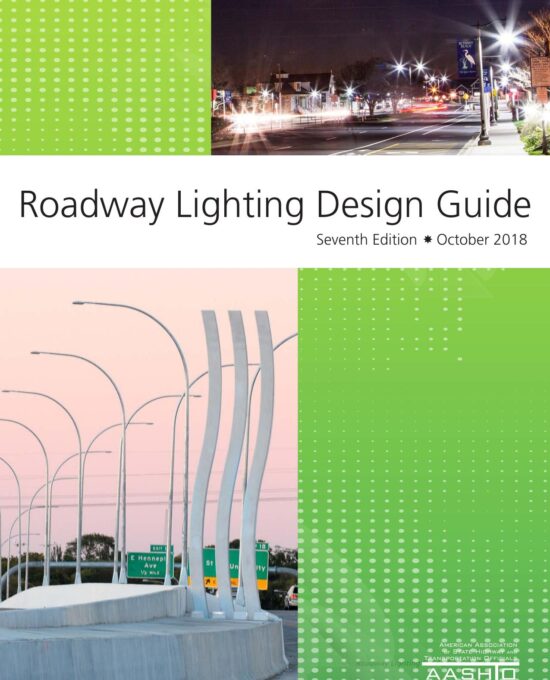
AASHTO GL-7: Roadway Lighting Design Guide, 7th Edition (2018)
AASHTO GL-7: Roadway Lighting Design Guide, Seventh Edition (2018) provides comprehensive guidance on the planning, design, and implementation of roadway lighting systems. This edition reflects current engineering practices, safety standards, and lighting technologies to enhance visibility, energy efficiency, and operational reliability across modern transportation networks.
Highlights:
- Design principles covering illuminance, luminance, uniformity, and glare control
- Guidance on developing master roadway lighting plans and policies
- Recommended lighting levels for highways, streets, intersections, and pedestrian zones
- Design criteria for tunnels, underpasses, and bridges
- Considerations for temporary lighting in work zones and construction areas
- Evaluation of emerging technologies such as adaptive lighting and smart controls
- Discussion on lighting management systems and energy-efficient solutions
- Environmental impact assessments and aesthetic integration strategies
- Standards for pole placement, maintenance access, and safety
- Support for decision-making with traffic data and community planning considerations
Who It’s For:
An essential reference for transportation agencies, civil engineers, and planners responsible for roadway lighting design and policy development.
GL-7-2018
AASHTO GL-7: Roadway Lighting Design Guide, 7th Edition (2018)
AASHTO GL-7: Roadway Lighting Design Guide, Seventh Edition (2018) provides comprehensive guidance on the planning, design, and implementation of roadway lighting systems. This edition reflects current engineering practices, safety standards, and lighting technologies to enhance visibility, energy efficiency, and operational reliability across modern transportation networks.
Highlights:
- Design principles covering illuminance, luminance, uniformity, and glare control
- Guidance on developing master roadway lighting plans and policies
- Recommended lighting levels for highways, streets, intersections, and pedestrian zones
- Design criteria for tunnels, underpasses, and bridges
- Considerations for temporary lighting in work zones and construction areas
- Evaluation of emerging technologies such as adaptive lighting and smart controls
- Discussion on lighting management systems and energy-efficient solutions
- Environmental impact assessments and aesthetic integration strategies
- Standards for pole placement, maintenance access, and safety
- Support for decision-making with traffic data and community planning considerations
Who It’s For:
An essential reference for transportation agencies, civil engineers, and planners responsible for roadway lighting design and policy development.
GL-7-2018
ASME PTB-4-2021: ASME Section VIII – Division 1 Example Problem Manual
ASME PTB-4-2021: ASME Section VIII – Division 1 Example Problem Manual presents a comprehensive set of solved example problems demonstrating the correct application of design-by-rule methods from ASME Boiler and Pressure Vessel Code, Section VIII, Division 1. It serves as a valuable learning and reference tool for engineers, designers, and inspectors working in pressure vessel design and analysis.
Highlights:
- Step-by-step examples covering material selection, MDMT, welded joints, and reinforcement
- Calculations for internal/external pressure, flange design, tubesheets, and expansion joints
- Integration of Mandatory Appendix 46 for using Division 2 methods within Division 1 design
- Comparison of Division 1 and Division 2 approaches to selected design problems
- Commentary offering insight into code interpretation and design rationale
- Dual-unit presentation: U.S. Customary and SI
- Examples include postweld heat treatment, hydrotesting, out-of-roundness, and NDE procedures
- Supports design-by-rule and design-by-analysis education and application
Who It’s For:
Mechanical engineers, vessel designers, educators, and code compliance professionals seeking hands-on understanding and accurate application of ASME Section VIII, Division 1 requirements.
PTB-4-2021
ASME PTB-4-2021: ASME Section VIII – Division 1 Example Problem Manual
ASME PTB-4-2021: ASME Section VIII – Division 1 Example Problem Manual presents a comprehensive set of solved example problems demonstrating the correct application of design-by-rule methods from ASME Boiler and Pressure Vessel Code, Section VIII, Division 1. It serves as a valuable learning and reference tool for engineers, designers, and inspectors working in pressure vessel design and analysis.
Highlights:
- Step-by-step examples covering material selection, MDMT, welded joints, and reinforcement
- Calculations for internal/external pressure, flange design, tubesheets, and expansion joints
- Integration of Mandatory Appendix 46 for using Division 2 methods within Division 1 design
- Comparison of Division 1 and Division 2 approaches to selected design problems
- Commentary offering insight into code interpretation and design rationale
- Dual-unit presentation: U.S. Customary and SI
- Examples include postweld heat treatment, hydrotesting, out-of-roundness, and NDE procedures
- Supports design-by-rule and design-by-analysis education and application
Who It’s For:
Mechanical engineers, vessel designers, educators, and code compliance professionals seeking hands-on understanding and accurate application of ASME Section VIII, Division 1 requirements.
PTB-4-2021
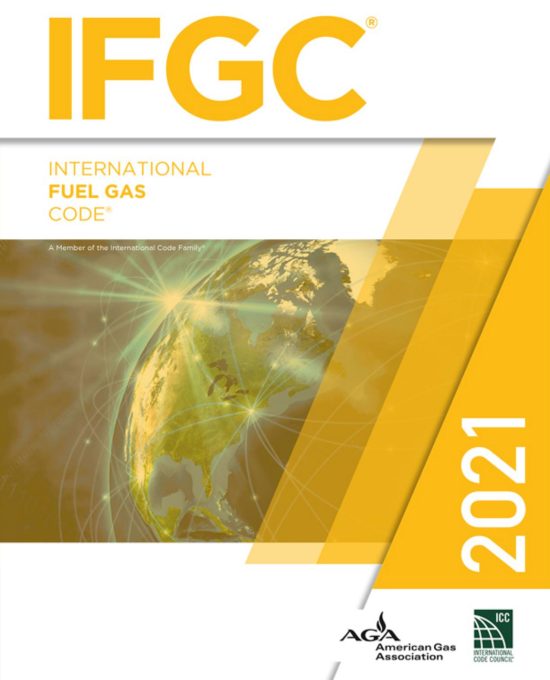
2021 International Fuel Gas Code – IFGC-2021
The 2021 International Fuel Gas Code® (IFGC) provides comprehensive requirements for the design and installation of fuel gas systems in residential, commercial, and industrial buildings. It governs piping, appliances, combustion air, chimneys, vents, and gaseous hydrogen systems, ensuring safe and efficient fuel gas usage across all occupancies. Fully aligned with the 2021 I-Code suite.
Highlights:
- Regulates natural gas systems up to 125 psig and LP-gas up to 20 psig from point of delivery to appliance shutoff
- Includes complete standards for gaseous hydrogen systems in Chapter 7
- Covers installation, combustion air, and venting for a wide range of fuel gas appliances
- Supports both prescriptive and engineered design methods for air supply, venting, and pipe sizing
- Provides appendices for gas pipe and vent sizing, inspection procedures, and appeals processes
- References updated technical standards from ASME, ANSI, AGA, CSA, and NFPA
- Revised administration chapter clarifies enforcement roles, jurisdictional edits, and appeals
Who It’s For:
Mechanical engineers, gas system designers, inspectors, code officials, and utility providers responsible for safe and compliant gas system installations.
IFGC-2021
2021 International Fuel Gas Code – IFGC-2021
The 2021 International Fuel Gas Code® (IFGC) provides comprehensive requirements for the design and installation of fuel gas systems in residential, commercial, and industrial buildings. It governs piping, appliances, combustion air, chimneys, vents, and gaseous hydrogen systems, ensuring safe and efficient fuel gas usage across all occupancies. Fully aligned with the 2021 I-Code suite.
Highlights:
- Regulates natural gas systems up to 125 psig and LP-gas up to 20 psig from point of delivery to appliance shutoff
- Includes complete standards for gaseous hydrogen systems in Chapter 7
- Covers installation, combustion air, and venting for a wide range of fuel gas appliances
- Supports both prescriptive and engineered design methods for air supply, venting, and pipe sizing
- Provides appendices for gas pipe and vent sizing, inspection procedures, and appeals processes
- References updated technical standards from ASME, ANSI, AGA, CSA, and NFPA
- Revised administration chapter clarifies enforcement roles, jurisdictional edits, and appeals
Who It’s For:
Mechanical engineers, gas system designers, inspectors, code officials, and utility providers responsible for safe and compliant gas system installations.
IFGC-2021