
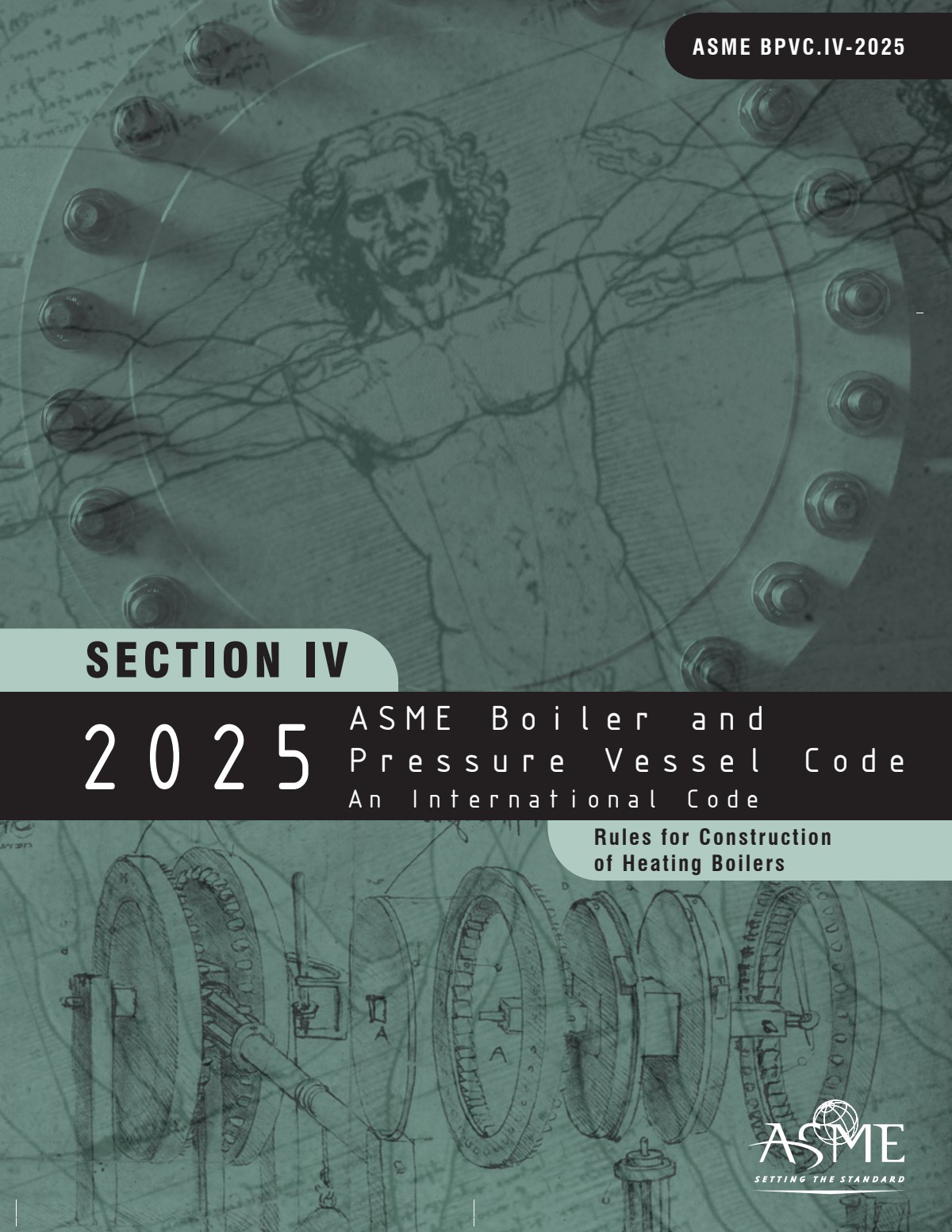
ASME BPVC Section IV: Rules for Construction of Heating Boilers (2025 Edition)
Original price was: $690.00.$230.00Current price is: $230.00.
ASME BPVC Section IV: Rules for Construction of Heating Boilers (2025 Edition) specifies design, fabrication, installation, and inspection requirements for steam heating, hot water heating, and water supply boilers operating at low pressure.
This edition reflects the latest industry standards for safety valve testing, quality control, certification markings (H, HV, HLW), and new material approvals. It supports use across various fuel types including oil, gas, electricity, coal, and more.
A critical resource for engineers, manufacturers, and inspectors, this ANSI/ASME standard ensures safe, code-compliant heating boiler construction and inspection practices.
ASME BPVC Section IV: Rules for Construction of Heating Boilers (2025 Edition) specifies design, fabrication, installation, and inspection requirements for steam heating, hot water heating, and water supply boilers operating at low pressure.
This edition reflects the latest industry standards for safety valve testing, quality control, certification markings (H, HV, HLW), and new material approvals. It supports use across various fuel types including oil, gas, electricity, coal, and more.
A critical resource for engineers, manufacturers, and inspectors, this ANSI/ASME standard ensures safe, code-compliant heating boiler construction and inspection practices.
Book information
Purchase now to read the book instantly.
Add to cartRelated products
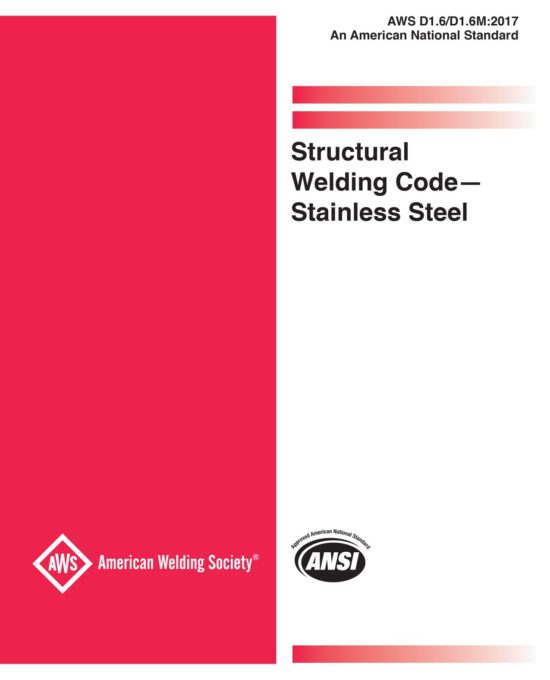
AWS D1.6/D1.6M:2017 – Structural Welding Code – Stainless Steel
AWS D1.6/D1.6M:2017 – Structural Welding Code – Stainless Steel defines the welding requirements for austenitic and ferritic stainless steel structural components. Applicable to both shop and field fabrication, it governs the construction of non-pressure stainless steel structures and aligns closely with AWS D1.1 formatting for consistency.
Highlights:
- Design provisions for welded joints and structural connection details
- Specifications for base metals, filler materials, and qualified welding processes
- Prequalification criteria for procedures and joint configurations
- Qualification standards for welding procedures, welders, and operators
- Visual and nondestructive inspection methods
- Stud welding practices and performance qualification requirements
- Fabrication standards for cleaning, joint prep, and weld profile control
- Weld acceptance criteria and repair guidelines
- Normative and informative annexes on weld sizing, filler metal selection, sample forms, and macroetchants
- Commentary section offering interpretation and application guidance
Who It’s For:
Essential for fabricators, engineers, inspectors, and contractors involved in stainless steel construction for structural applications such as architectural systems, industrial frameworks, and corrosion-resistant environments.
AWS D1.6/D1.6M:2017
AWS D1.6/D1.6M:2017 – Structural Welding Code – Stainless Steel
AWS D1.6/D1.6M:2017 – Structural Welding Code – Stainless Steel defines the welding requirements for austenitic and ferritic stainless steel structural components. Applicable to both shop and field fabrication, it governs the construction of non-pressure stainless steel structures and aligns closely with AWS D1.1 formatting for consistency.
Highlights:
- Design provisions for welded joints and structural connection details
- Specifications for base metals, filler materials, and qualified welding processes
- Prequalification criteria for procedures and joint configurations
- Qualification standards for welding procedures, welders, and operators
- Visual and nondestructive inspection methods
- Stud welding practices and performance qualification requirements
- Fabrication standards for cleaning, joint prep, and weld profile control
- Weld acceptance criteria and repair guidelines
- Normative and informative annexes on weld sizing, filler metal selection, sample forms, and macroetchants
- Commentary section offering interpretation and application guidance
Who It’s For:
Essential for fabricators, engineers, inspectors, and contractors involved in stainless steel construction for structural applications such as architectural systems, industrial frameworks, and corrosion-resistant environments.
AWS D1.6/D1.6M:2017
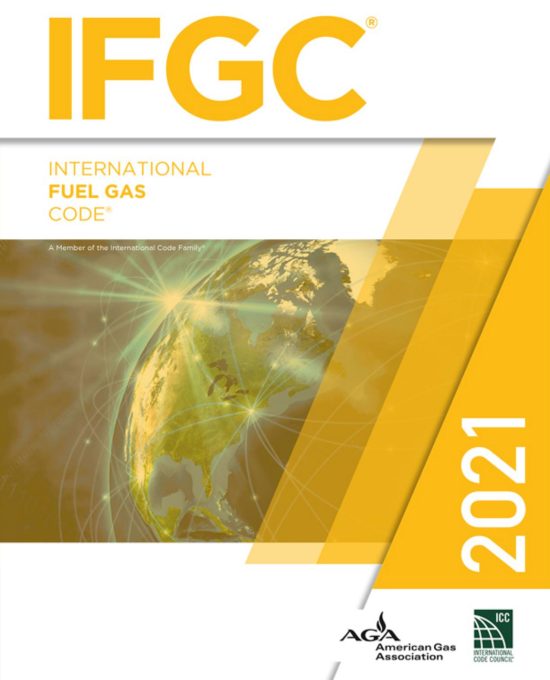
2021 International Fuel Gas Code – IFGC-2021
The 2021 International Fuel Gas Code® (IFGC) provides comprehensive requirements for the design and installation of fuel gas systems in residential, commercial, and industrial buildings. It governs piping, appliances, combustion air, chimneys, vents, and gaseous hydrogen systems, ensuring safe and efficient fuel gas usage across all occupancies. Fully aligned with the 2021 I-Code suite.
Highlights:
- Regulates natural gas systems up to 125 psig and LP-gas up to 20 psig from point of delivery to appliance shutoff
- Includes complete standards for gaseous hydrogen systems in Chapter 7
- Covers installation, combustion air, and venting for a wide range of fuel gas appliances
- Supports both prescriptive and engineered design methods for air supply, venting, and pipe sizing
- Provides appendices for gas pipe and vent sizing, inspection procedures, and appeals processes
- References updated technical standards from ASME, ANSI, AGA, CSA, and NFPA
- Revised administration chapter clarifies enforcement roles, jurisdictional edits, and appeals
Who It’s For:
Mechanical engineers, gas system designers, inspectors, code officials, and utility providers responsible for safe and compliant gas system installations.
IFGC-2021
2021 International Fuel Gas Code – IFGC-2021
The 2021 International Fuel Gas Code® (IFGC) provides comprehensive requirements for the design and installation of fuel gas systems in residential, commercial, and industrial buildings. It governs piping, appliances, combustion air, chimneys, vents, and gaseous hydrogen systems, ensuring safe and efficient fuel gas usage across all occupancies. Fully aligned with the 2021 I-Code suite.
Highlights:
- Regulates natural gas systems up to 125 psig and LP-gas up to 20 psig from point of delivery to appliance shutoff
- Includes complete standards for gaseous hydrogen systems in Chapter 7
- Covers installation, combustion air, and venting for a wide range of fuel gas appliances
- Supports both prescriptive and engineered design methods for air supply, venting, and pipe sizing
- Provides appendices for gas pipe and vent sizing, inspection procedures, and appeals processes
- References updated technical standards from ASME, ANSI, AGA, CSA, and NFPA
- Revised administration chapter clarifies enforcement roles, jurisdictional edits, and appeals
Who It’s For:
Mechanical engineers, gas system designers, inspectors, code officials, and utility providers responsible for safe and compliant gas system installations.
IFGC-2021
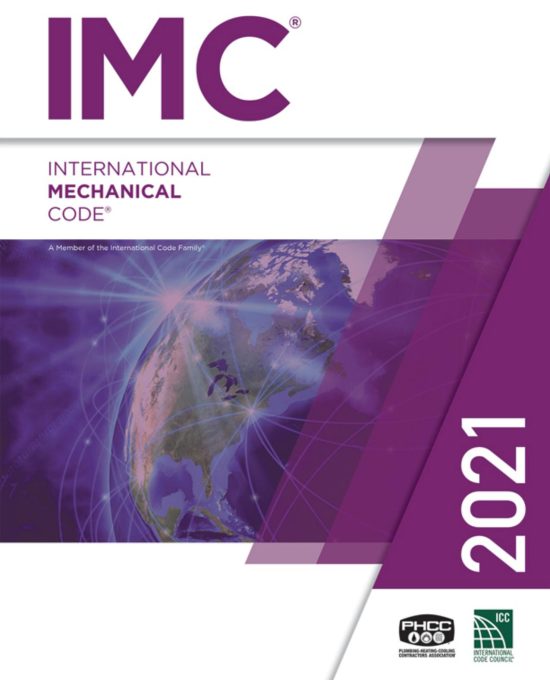
2021 International Mechanical Code – IMC-2021
The 2021 International Mechanical Code® (IMC) establishes minimum standards for the design, installation, and maintenance of mechanical systems in residential, commercial, and industrial buildings. Covering everything from HVAC and ventilation to boilers and refrigeration, the IMC ensures safe, efficient, and code-compliant system operation. Fully coordinated with the 2021 I-Codes.
Highlights:
- Updated rules for appliance access, clearances, condensate drainage, and temperature control
- Comprehensive ventilation standards for occupied and unoccupied spaces, including hospitals and hazardous locations
- Detailed exhaust system requirements for kitchens, dryers, labs, garages, and smoke/grease control
- Regulates duct construction, dampers, insulation, filters, and fire/smoke control systems
- Refers to NFPA and IFGC standards for combustion air; includes chimney and flue guidance
- Covers installation standards for fireplaces, cooking appliances, sauna heaters, and fuel cells
- Includes safety and design rules for boilers, pressure vessels, relief valves, and tanks
- Establishes refrigeration system classification, design, piping, and testing procedures
- Provides hydronic system guidance for hot/chilled water piping, antifreeze, and insulation
- Sets safety standards for fuel oil piping, storage, and solar thermal systems
- Appendices include permit fee schedules, chimney diagrams, and appeal procedures
Who It’s For:
Mechanical contractors, engineers, inspectors, and HVAC professionals working on code-compliant building system design, installation, and maintenance.
IMC-2021
2021 International Mechanical Code – IMC-2021
The 2021 International Mechanical Code® (IMC) establishes minimum standards for the design, installation, and maintenance of mechanical systems in residential, commercial, and industrial buildings. Covering everything from HVAC and ventilation to boilers and refrigeration, the IMC ensures safe, efficient, and code-compliant system operation. Fully coordinated with the 2021 I-Codes.
Highlights:
- Updated rules for appliance access, clearances, condensate drainage, and temperature control
- Comprehensive ventilation standards for occupied and unoccupied spaces, including hospitals and hazardous locations
- Detailed exhaust system requirements for kitchens, dryers, labs, garages, and smoke/grease control
- Regulates duct construction, dampers, insulation, filters, and fire/smoke control systems
- Refers to NFPA and IFGC standards for combustion air; includes chimney and flue guidance
- Covers installation standards for fireplaces, cooking appliances, sauna heaters, and fuel cells
- Includes safety and design rules for boilers, pressure vessels, relief valves, and tanks
- Establishes refrigeration system classification, design, piping, and testing procedures
- Provides hydronic system guidance for hot/chilled water piping, antifreeze, and insulation
- Sets safety standards for fuel oil piping, storage, and solar thermal systems
- Appendices include permit fee schedules, chimney diagrams, and appeal procedures
Who It’s For:
Mechanical contractors, engineers, inspectors, and HVAC professionals working on code-compliant building system design, installation, and maintenance.
IMC-2021
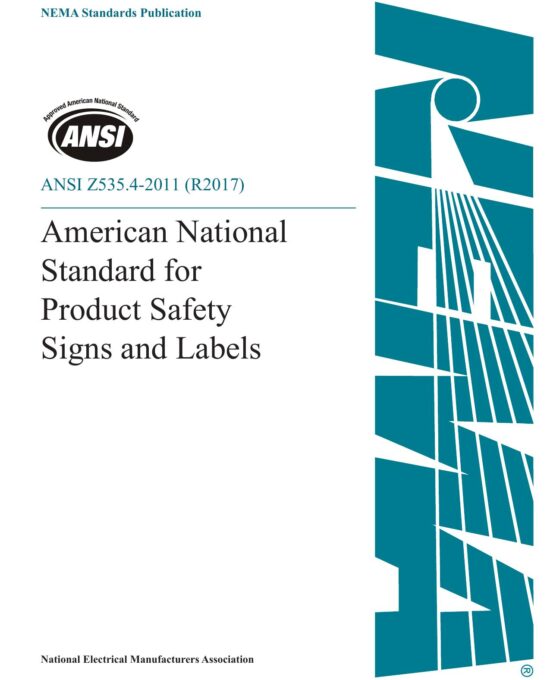
ANSI Z535.4-2011 (R2017): Product Safety Signs and Labels
ANSI Z535.4-2011 (R2017): Product Safety Signs and Labels provides standardized guidance for the design and application of product safety signs and labels. This reaffirmed edition helps manufacturers effectively communicate hazard information to reduce risk and improve safety across a wide range of industrial and consumer products.
Highlights:
- Defines use of standardized signal words: DANGER, WARNING, CAUTION, and NOTICE
- Establishes hazard classification systems and formatting conventions
- Specifies layout, safety colors, symbols, and typography for clear communication
- Offers guidance on incorporating safety symbols for universal understanding
- Sets durability requirements for labels exposed to harsh environments
- Recommends best practices for label placement and visibility
Who It’s For:
A vital reference for engineers, product designers, compliance managers, and safety professionals responsible for labeling products in accordance with ANSI safety communication standards.
ANSI-Z535.4-2011-R2017
ANSI Z535.4-2011 (R2017): Product Safety Signs and Labels
ANSI Z535.4-2011 (R2017): Product Safety Signs and Labels provides standardized guidance for the design and application of product safety signs and labels. This reaffirmed edition helps manufacturers effectively communicate hazard information to reduce risk and improve safety across a wide range of industrial and consumer products.
Highlights:
- Defines use of standardized signal words: DANGER, WARNING, CAUTION, and NOTICE
- Establishes hazard classification systems and formatting conventions
- Specifies layout, safety colors, symbols, and typography for clear communication
- Offers guidance on incorporating safety symbols for universal understanding
- Sets durability requirements for labels exposed to harsh environments
- Recommends best practices for label placement and visibility
Who It’s For:
A vital reference for engineers, product designers, compliance managers, and safety professionals responsible for labeling products in accordance with ANSI safety communication standards.
ANSI-Z535.4-2011-R2017