
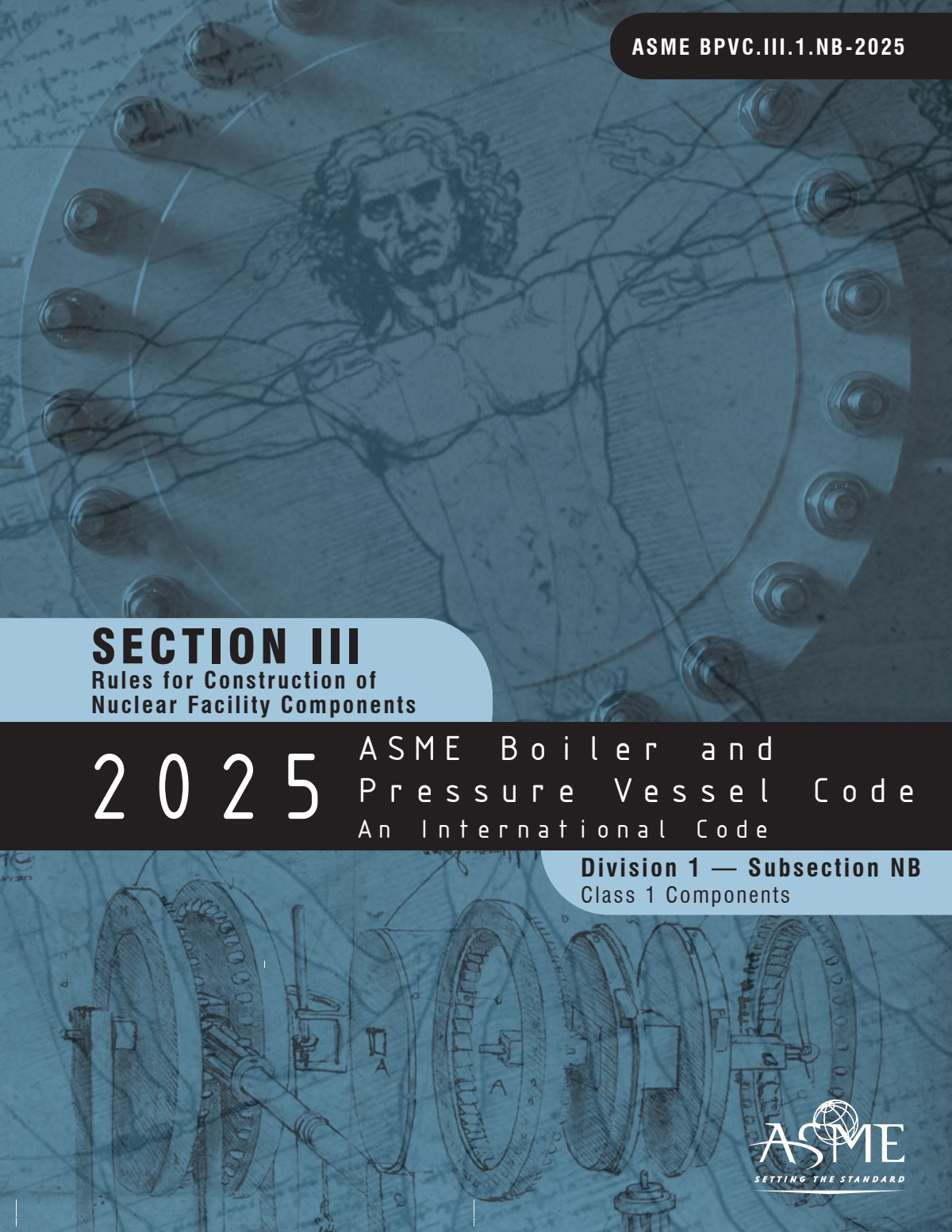
ASME BPVC 2025 Section III, Division 1, Subsection NB: Class 1 Components
Original price was: $783.00.$261.00Current price is: $261.00.
ASME BPVC 2025 Section III, Division 1, Subsection NB provides construction requirements for Class 1 nuclear components, including vessels, piping, pumps, and valves. This subsection establishes the highest safety standards for nuclear components, ensuring material integrity and reliability under extreme operating conditions.
ASME BPVC 2025 Section III, Division 1, Subsection NB provides construction requirements for Class 1 nuclear components, including vessels, piping, pumps, and valves. This subsection establishes the highest safety standards for nuclear components, ensuring material integrity and reliability under extreme operating conditions.
Book information
Purchase now to read the book instantly.
Add to cartRelated products
AWS D1.1/D1.1M:2020 – Structural Welding Code – Steel
AWS D1.1/D1.1M:2020 – Structural Welding Code – Steel is the 24th edition of the code and serves as the definitive standard for welding carbon and low-alloy steel structures. Approved by ANSI and published by the American Welding Society, it reflects the latest best practices in structural welding design, fabrication, and inspection.
Highlights:
- Welding requirements for carbon and low-alloy steels
- Design criteria for welded joints in tubular and nontubular members
- Prequalification standards for Welding Procedure Specifications (WPS)
- Qualification tests for welding procedures and personnel
- Rules for fabrication, inspection, repair, and stud welding
- Guidance for strengthening and retrofitting existing structures
- Covers steel 1/8 in [3 mm] or thicker, up to 100 ksi [690 MPa] yield strength
- Includes mandatory clauses, normative and informative annexes, and detailed commentary
Who It’s For:
Structural engineers, welders, inspectors, and contractors engaged in the design, construction, and quality control of welded steel structures in buildings, bridges, towers, and industrial facilities.
AWS D1.1/D1.1M:2020
AWS D1.1/D1.1M:2020 – Structural Welding Code – Steel
AWS D1.1/D1.1M:2020 – Structural Welding Code – Steel is the 24th edition of the code and serves as the definitive standard for welding carbon and low-alloy steel structures. Approved by ANSI and published by the American Welding Society, it reflects the latest best practices in structural welding design, fabrication, and inspection.
Highlights:
- Welding requirements for carbon and low-alloy steels
- Design criteria for welded joints in tubular and nontubular members
- Prequalification standards for Welding Procedure Specifications (WPS)
- Qualification tests for welding procedures and personnel
- Rules for fabrication, inspection, repair, and stud welding
- Guidance for strengthening and retrofitting existing structures
- Covers steel 1/8 in [3 mm] or thicker, up to 100 ksi [690 MPa] yield strength
- Includes mandatory clauses, normative and informative annexes, and detailed commentary
Who It’s For:
Structural engineers, welders, inspectors, and contractors engaged in the design, construction, and quality control of welded steel structures in buildings, bridges, towers, and industrial facilities.
AWS D1.1/D1.1M:2020
API 650: Welded Tanks for Oil Storage, 13th Edition (2020)
API 650: Welded Tanks for Oil Storage, 13th Edition (2020) sets the standard for the design, construction, and inspection of vertical, cylindrical, aboveground welded storage tanks operating near atmospheric pressure. Intended for non-refrigerated service up to 93°C (200°F), this specification is essential for tanks used in the storage of petroleum, chemicals, and other liquid products.
Highlights:
- Covers open-top and closed-top tank design for a wide range of capacities
- Allows construction using carbon steel, stainless steel, and duplex steel materials
- Specifies requirements for shell, bottom, roof, nozzle components, and structural supports
- Provides detailed material selection guidance and limits for plates, flanges, and welding consumables
- Defines procedures for welding, welder qualification, and weld inspection
- Includes standards for erection, hydrostatic testing, tolerances, and repair methods
- Annexes address specialized applications:
- Seismic design (Annex E)
- Floating roofs (Annexes C and H)
- Aluminum and stainless steel tanks (Annexes AL and S)
- Elevated temperature service (Annex M)
- Leak detection, under-bottom connections (Annexes I and O)
- API Monogram licensing (Annex Y)
Who It’s For:
A critical reference for storage tank engineers, fabricators, inspectors, and facility operators involved in tank design, procurement, fabrication, and field erection in the oil, gas, chemical, and industrial sectors.
API 650-2020
API 650: Welded Tanks for Oil Storage, 13th Edition (2020)
API 650: Welded Tanks for Oil Storage, 13th Edition (2020) sets the standard for the design, construction, and inspection of vertical, cylindrical, aboveground welded storage tanks operating near atmospheric pressure. Intended for non-refrigerated service up to 93°C (200°F), this specification is essential for tanks used in the storage of petroleum, chemicals, and other liquid products.
Highlights:
- Covers open-top and closed-top tank design for a wide range of capacities
- Allows construction using carbon steel, stainless steel, and duplex steel materials
- Specifies requirements for shell, bottom, roof, nozzle components, and structural supports
- Provides detailed material selection guidance and limits for plates, flanges, and welding consumables
- Defines procedures for welding, welder qualification, and weld inspection
- Includes standards for erection, hydrostatic testing, tolerances, and repair methods
- Annexes address specialized applications:
- Seismic design (Annex E)
- Floating roofs (Annexes C and H)
- Aluminum and stainless steel tanks (Annexes AL and S)
- Elevated temperature service (Annex M)
- Leak detection, under-bottom connections (Annexes I and O)
- API Monogram licensing (Annex Y)
Who It’s For:
A critical reference for storage tank engineers, fabricators, inspectors, and facility operators involved in tank design, procurement, fabrication, and field erection in the oil, gas, chemical, and industrial sectors.
API 650-2020
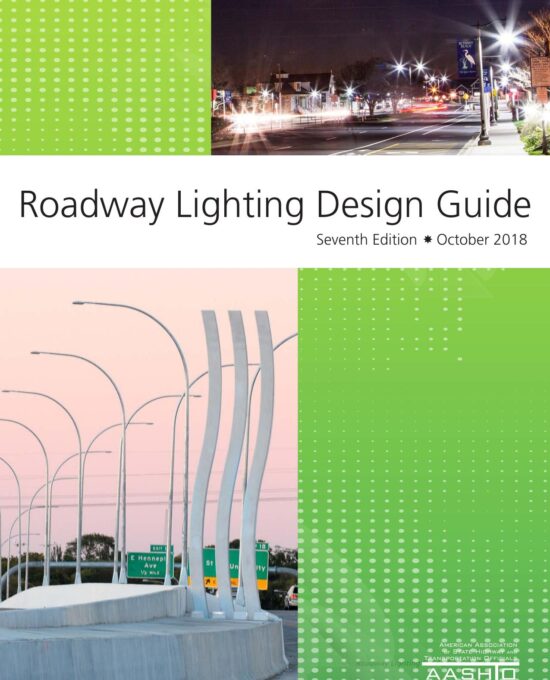
AASHTO GL-7: Roadway Lighting Design Guide, 7th Edition (2018)
AASHTO GL-7: Roadway Lighting Design Guide, Seventh Edition (2018) provides comprehensive guidance on the planning, design, and implementation of roadway lighting systems. This edition reflects current engineering practices, safety standards, and lighting technologies to enhance visibility, energy efficiency, and operational reliability across modern transportation networks.
Highlights:
- Design principles covering illuminance, luminance, uniformity, and glare control
- Guidance on developing master roadway lighting plans and policies
- Recommended lighting levels for highways, streets, intersections, and pedestrian zones
- Design criteria for tunnels, underpasses, and bridges
- Considerations for temporary lighting in work zones and construction areas
- Evaluation of emerging technologies such as adaptive lighting and smart controls
- Discussion on lighting management systems and energy-efficient solutions
- Environmental impact assessments and aesthetic integration strategies
- Standards for pole placement, maintenance access, and safety
- Support for decision-making with traffic data and community planning considerations
Who It’s For:
An essential reference for transportation agencies, civil engineers, and planners responsible for roadway lighting design and policy development.
GL-7-2018
AASHTO GL-7: Roadway Lighting Design Guide, 7th Edition (2018)
AASHTO GL-7: Roadway Lighting Design Guide, Seventh Edition (2018) provides comprehensive guidance on the planning, design, and implementation of roadway lighting systems. This edition reflects current engineering practices, safety standards, and lighting technologies to enhance visibility, energy efficiency, and operational reliability across modern transportation networks.
Highlights:
- Design principles covering illuminance, luminance, uniformity, and glare control
- Guidance on developing master roadway lighting plans and policies
- Recommended lighting levels for highways, streets, intersections, and pedestrian zones
- Design criteria for tunnels, underpasses, and bridges
- Considerations for temporary lighting in work zones and construction areas
- Evaluation of emerging technologies such as adaptive lighting and smart controls
- Discussion on lighting management systems and energy-efficient solutions
- Environmental impact assessments and aesthetic integration strategies
- Standards for pole placement, maintenance access, and safety
- Support for decision-making with traffic data and community planning considerations
Who It’s For:
An essential reference for transportation agencies, civil engineers, and planners responsible for roadway lighting design and policy development.
GL-7-2018
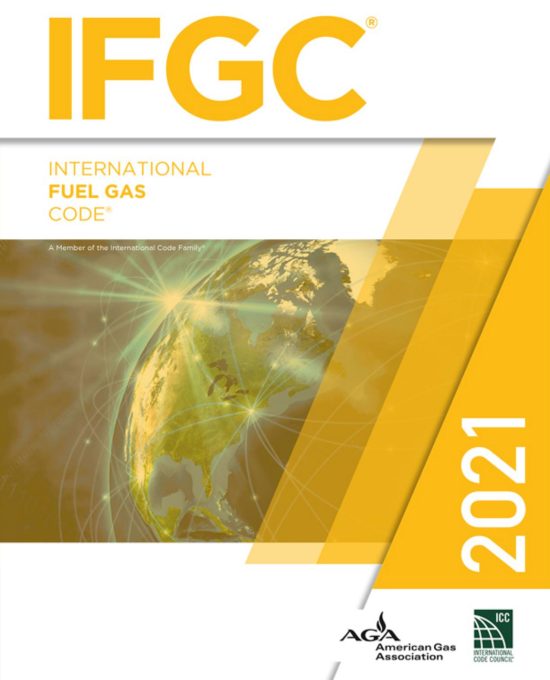
2021 International Fuel Gas Code – IFGC-2021
The 2021 International Fuel Gas Code® (IFGC) provides comprehensive requirements for the design and installation of fuel gas systems in residential, commercial, and industrial buildings. It governs piping, appliances, combustion air, chimneys, vents, and gaseous hydrogen systems, ensuring safe and efficient fuel gas usage across all occupancies. Fully aligned with the 2021 I-Code suite.
Highlights:
- Regulates natural gas systems up to 125 psig and LP-gas up to 20 psig from point of delivery to appliance shutoff
- Includes complete standards for gaseous hydrogen systems in Chapter 7
- Covers installation, combustion air, and venting for a wide range of fuel gas appliances
- Supports both prescriptive and engineered design methods for air supply, venting, and pipe sizing
- Provides appendices for gas pipe and vent sizing, inspection procedures, and appeals processes
- References updated technical standards from ASME, ANSI, AGA, CSA, and NFPA
- Revised administration chapter clarifies enforcement roles, jurisdictional edits, and appeals
Who It’s For:
Mechanical engineers, gas system designers, inspectors, code officials, and utility providers responsible for safe and compliant gas system installations.
IFGC-2021
2021 International Fuel Gas Code – IFGC-2021
The 2021 International Fuel Gas Code® (IFGC) provides comprehensive requirements for the design and installation of fuel gas systems in residential, commercial, and industrial buildings. It governs piping, appliances, combustion air, chimneys, vents, and gaseous hydrogen systems, ensuring safe and efficient fuel gas usage across all occupancies. Fully aligned with the 2021 I-Code suite.
Highlights:
- Regulates natural gas systems up to 125 psig and LP-gas up to 20 psig from point of delivery to appliance shutoff
- Includes complete standards for gaseous hydrogen systems in Chapter 7
- Covers installation, combustion air, and venting for a wide range of fuel gas appliances
- Supports both prescriptive and engineered design methods for air supply, venting, and pipe sizing
- Provides appendices for gas pipe and vent sizing, inspection procedures, and appeals processes
- References updated technical standards from ASME, ANSI, AGA, CSA, and NFPA
- Revised administration chapter clarifies enforcement roles, jurisdictional edits, and appeals
Who It’s For:
Mechanical engineers, gas system designers, inspectors, code officials, and utility providers responsible for safe and compliant gas system installations.
IFGC-2021