ASME BPVC 2025 Section II, Part B: Nonferrous Material Specifications
Original price was: $930.00.$310.00Current price is: $310.00.
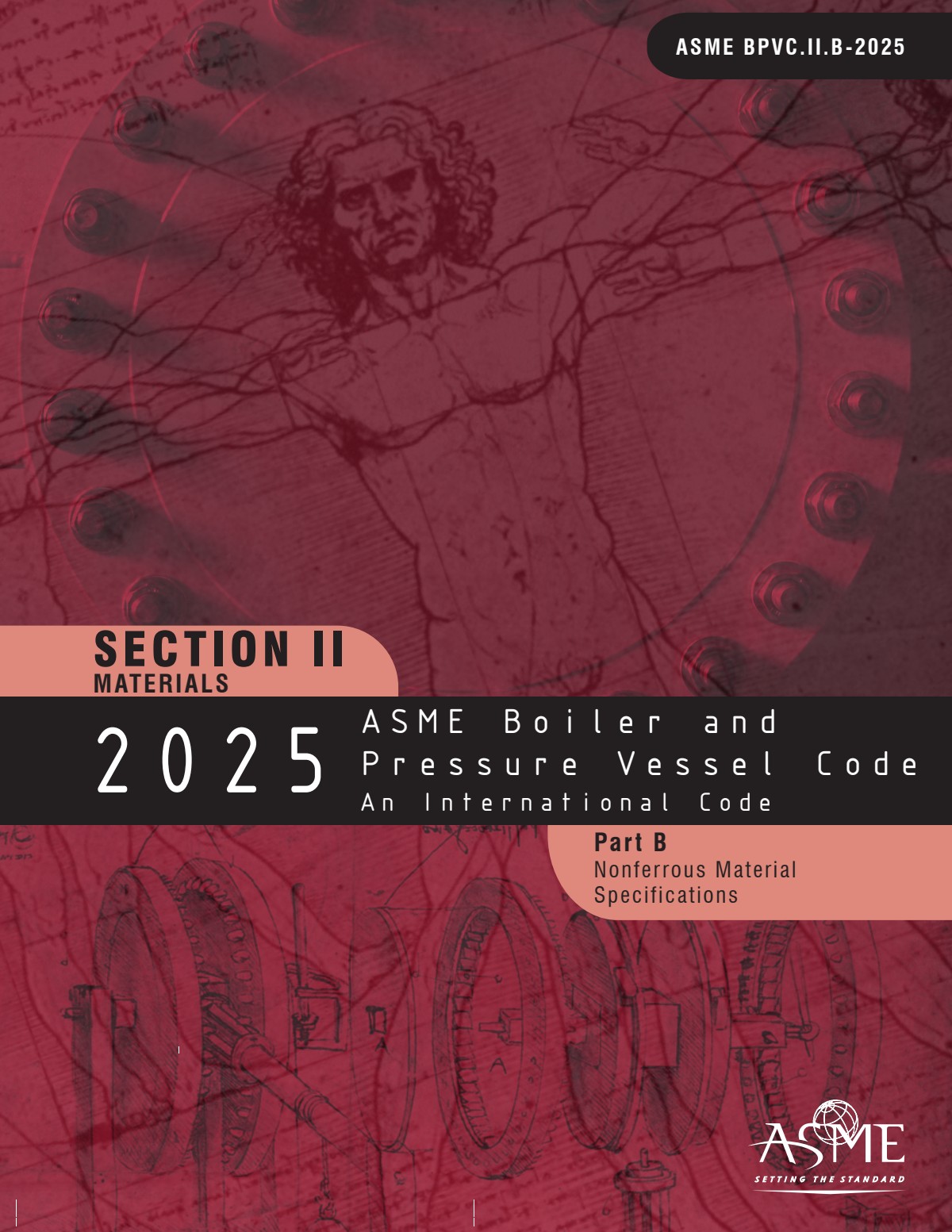
ASME BPVC 2025 Section II, Part B: Nonferrous Material Specifications
provides a comprehensive collection of standards for nonferrous materials used in pressure equipment construction.
This section details requirements for chemical composition, mechanical properties, manufacturing processes,
heat treatment, and testing procedures.
Specifications are designated by SB numbers and harmonized with ASTM and
other international standards, ensuring global applicability and compliance.
Widely used by engineers, inspectors, and manufacturers, Section II, Part B serves as a
critical reference for safe and code-compliant use of nonferrous alloys in boilers, pressure vessels,
and associated components.
ASME BPVC 2025 Section II, Part B: Nonferrous Material Specifications
provides a comprehensive collection of standards for nonferrous materials used in pressure equipment construction.
This section details requirements for chemical composition, mechanical properties, manufacturing processes,
heat treatment, and testing procedures.
Specifications are designated by SB numbers and harmonized with ASTM and
other international standards, ensuring global applicability and compliance.
Widely used by engineers, inspectors, and manufacturers, Section II, Part B serves as a
critical reference for safe and code-compliant use of nonferrous alloys in boilers, pressure vessels,
and associated components.
Book information
Purchase now to read the book instantly.
Add to cartRelated products
CSA C22.1:21 – Canadian Electrical Code, Part I (25th Edition), 2021
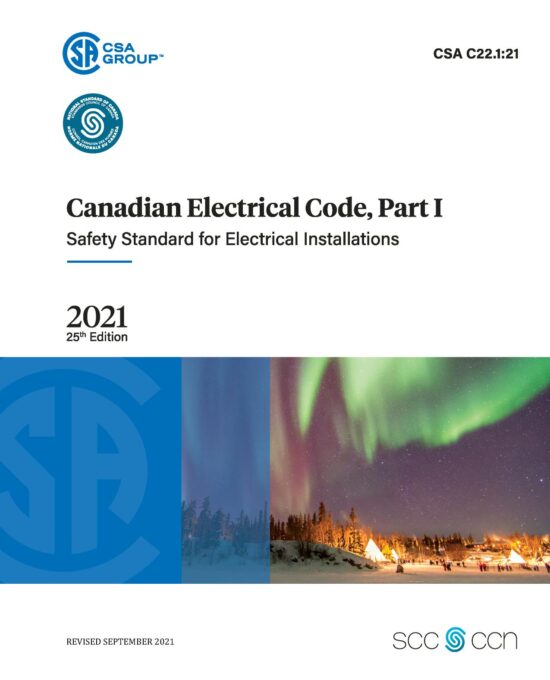
CSA C22.1:21 – Canadian Electrical Code, Part I (25th Edition), 2021 defines the national standard for the safe installation and maintenance of electrical equipment throughout Canada. This edition incorporates updated safety practices, supports emerging technologies, and aligns with evolving environmental and regulatory needs.
Highlights:
- Applies to all voltages and occupancies: residential, commercial, and industrial
- Expanded coverage of renewable energy, storage systems, EV charging, and hazardous locations
- Revised grounding, bonding, wiring methods, and overcurrent protection rules
- New climate resilience rules and guidance for livestock/agricultural buildings
- Refined equipment classifications, voltage references, and conductor ampacity updates
- Enhanced provisions for raceways, environmental protection, and installation practices
- Includes 80+ specialized sections (hospitals, cranes, marinas, airports, amusement parks)
- Appendices cover engineering interpretations, intrinsically safe circuits, and fire protection
Who It's For:
Electricians, engineers, code officials, and contractors operating under Canadian electrical safety regulations. Supersedes CSA C22.1-18.
CSA C22.1:21
CSA C22.1:21 – Canadian Electrical Code, Part I (25th Edition), 2021
CSA C22.1:21 – Canadian Electrical Code, Part I (25th Edition), 2021 defines the national standard for the safe installation and maintenance of electrical equipment throughout Canada. This edition incorporates updated safety practices, supports emerging technologies, and aligns with evolving environmental and regulatory needs.
Highlights:
- Applies to all voltages and occupancies: residential, commercial, and industrial
- Expanded coverage of renewable energy, storage systems, EV charging, and hazardous locations
- Revised grounding, bonding, wiring methods, and overcurrent protection rules
- New climate resilience rules and guidance for livestock/agricultural buildings
- Refined equipment classifications, voltage references, and conductor ampacity updates
- Enhanced provisions for raceways, environmental protection, and installation practices
- Includes 80+ specialized sections (hospitals, cranes, marinas, airports, amusement parks)
- Appendices cover engineering interpretations, intrinsically safe circuits, and fire protection
Who It's For:
Electricians, engineers, code officials, and contractors operating under Canadian electrical safety regulations. Supersedes CSA C22.1-18.
CSA C22.1:21
2021 International Mechanical Code – IMC-2021
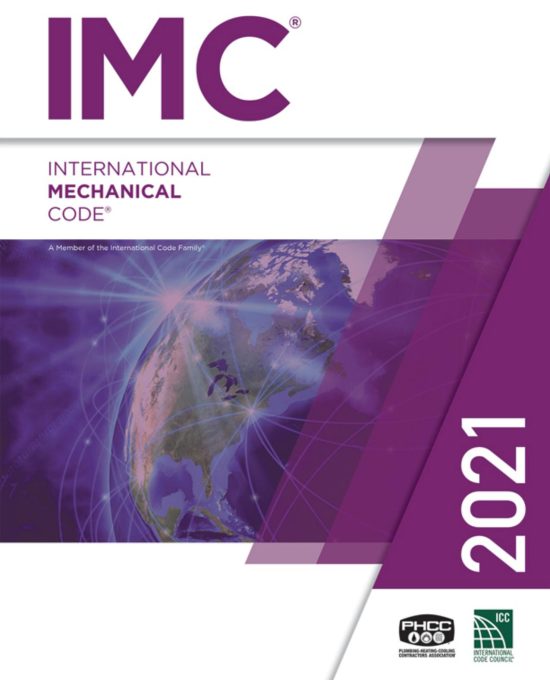
The 2021 International Mechanical Code® (IMC) establishes minimum standards for the design, installation, and maintenance of mechanical systems in residential, commercial, and industrial buildings. Covering everything from HVAC and ventilation to boilers and refrigeration, the IMC ensures safe, efficient, and code-compliant system operation. Fully coordinated with the 2021 I-Codes.
Highlights:
- Updated rules for appliance access, clearances, condensate drainage, and temperature control
- Comprehensive ventilation standards for occupied and unoccupied spaces, including hospitals and hazardous locations
- Detailed exhaust system requirements for kitchens, dryers, labs, garages, and smoke/grease control
- Regulates duct construction, dampers, insulation, filters, and fire/smoke control systems
- Refers to NFPA and IFGC standards for combustion air; includes chimney and flue guidance
- Covers installation standards for fireplaces, cooking appliances, sauna heaters, and fuel cells
- Includes safety and design rules for boilers, pressure vessels, relief valves, and tanks
- Establishes refrigeration system classification, design, piping, and testing procedures
- Provides hydronic system guidance for hot/chilled water piping, antifreeze, and insulation
- Sets safety standards for fuel oil piping, storage, and solar thermal systems
- Appendices include permit fee schedules, chimney diagrams, and appeal procedures
Who It’s For:
Mechanical contractors, engineers, inspectors, and HVAC professionals working on code-compliant building system design, installation, and maintenance.
IMC-2021
2021 International Mechanical Code – IMC-2021
The 2021 International Mechanical Code® (IMC) establishes minimum standards for the design, installation, and maintenance of mechanical systems in residential, commercial, and industrial buildings. Covering everything from HVAC and ventilation to boilers and refrigeration, the IMC ensures safe, efficient, and code-compliant system operation. Fully coordinated with the 2021 I-Codes.
Highlights:
- Updated rules for appliance access, clearances, condensate drainage, and temperature control
- Comprehensive ventilation standards for occupied and unoccupied spaces, including hospitals and hazardous locations
- Detailed exhaust system requirements for kitchens, dryers, labs, garages, and smoke/grease control
- Regulates duct construction, dampers, insulation, filters, and fire/smoke control systems
- Refers to NFPA and IFGC standards for combustion air; includes chimney and flue guidance
- Covers installation standards for fireplaces, cooking appliances, sauna heaters, and fuel cells
- Includes safety and design rules for boilers, pressure vessels, relief valves, and tanks
- Establishes refrigeration system classification, design, piping, and testing procedures
- Provides hydronic system guidance for hot/chilled water piping, antifreeze, and insulation
- Sets safety standards for fuel oil piping, storage, and solar thermal systems
- Appendices include permit fee schedules, chimney diagrams, and appeal procedures
Who It’s For:
Mechanical contractors, engineers, inspectors, and HVAC professionals working on code-compliant building system design, installation, and maintenance.
IMC-2021
2021 International Private Sewage Disposal Code – IPSDC-2021
The 2021 International Private Sewage Disposal Code® (IPSDC) establishes standards for the design, installation, and maintenance of on-site sewage systems for properties not connected to public sewer systems. It covers new systems and alterations to existing wastewater treatment infrastructure, ensuring health and environmental safety in decentralized applications.
Highlights:
- Offers a prescriptive design approach based on soil conditions, system size, and site evaluation
- Covers soil absorption systems, holding tanks, cesspools, and residential/light commercial treatment units
- Requires structured site evaluations based on percolation rates and environmental conditions
- Specifies construction and material standards for piping, tanks, system layout, and backfill
- Includes enforcement and administrative guidance for permitting, inspections, and jurisdictional customization
- Fully coordinated with the 2021 I-Codes, including IPC, IRC, and IEBC
Who It’s For:
Environmental health professionals, contractors, designers, and code officials regulating private sewage systems in non-sewered areas.
IPSDC-2021
2021 International Private Sewage Disposal Code – IPSDC-2021
The 2021 International Private Sewage Disposal Code® (IPSDC) establishes standards for the design, installation, and maintenance of on-site sewage systems for properties not connected to public sewer systems. It covers new systems and alterations to existing wastewater treatment infrastructure, ensuring health and environmental safety in decentralized applications.
Highlights:
- Offers a prescriptive design approach based on soil conditions, system size, and site evaluation
- Covers soil absorption systems, holding tanks, cesspools, and residential/light commercial treatment units
- Requires structured site evaluations based on percolation rates and environmental conditions
- Specifies construction and material standards for piping, tanks, system layout, and backfill
- Includes enforcement and administrative guidance for permitting, inspections, and jurisdictional customization
- Fully coordinated with the 2021 I-Codes, including IPC, IRC, and IEBC
Who It’s For:
Environmental health professionals, contractors, designers, and code officials regulating private sewage systems in non-sewered areas.
IPSDC-2021
2021 Uniform Plumbing Code – UPC 1-2021 (IAPMO)
The 2021 Uniform Plumbing Code® (UPC), developed by IAPMO and approved through the ANSI consensus process, establishes minimum requirements for plumbing system design, installation, and inspection. It incorporates the latest safety, efficiency, and performance provisions used across residential, commercial, and industrial projects.
Highlights:
- Adds Appendix N for defining scald risk and Legionella prevention through temperature control
- Updates backflow prevention device standards and installation methods
- Expands temperature-limiting protections for hot water outlets
- Establishes safety requirements for rooftop appliances and raised platforms
- Revises T&P valve discharge piping provisions for clarity and safety
- Introduces requirements for leak detection and monitoring technologies
- Enhances potable water pump installation and performance standards
- Adds DWV system updates for materials, cleanout access, and venting configurations
- Reorganizes medical and fuel gas system chapters for improved usability
Who It’s For:
Plumbing engineers, contractors, inspectors, and code officials enforcing compliant plumbing installations under the 2021 UPC framework.
UPC 1-2021 (IAPMO)
2021 Uniform Plumbing Code – UPC 1-2021 (IAPMO)
The 2021 Uniform Plumbing Code® (UPC), developed by IAPMO and approved through the ANSI consensus process, establishes minimum requirements for plumbing system design, installation, and inspection. It incorporates the latest safety, efficiency, and performance provisions used across residential, commercial, and industrial projects.
Highlights:
- Adds Appendix N for defining scald risk and Legionella prevention through temperature control
- Updates backflow prevention device standards and installation methods
- Expands temperature-limiting protections for hot water outlets
- Establishes safety requirements for rooftop appliances and raised platforms
- Revises T&P valve discharge piping provisions for clarity and safety
- Introduces requirements for leak detection and monitoring technologies
- Enhances potable water pump installation and performance standards
- Adds DWV system updates for materials, cleanout access, and venting configurations
- Reorganizes medical and fuel gas system chapters for improved usability
Who It’s For:
Plumbing engineers, contractors, inspectors, and code officials enforcing compliant plumbing installations under the 2021 UPC framework.
UPC 1-2021 (IAPMO)